
Household Products
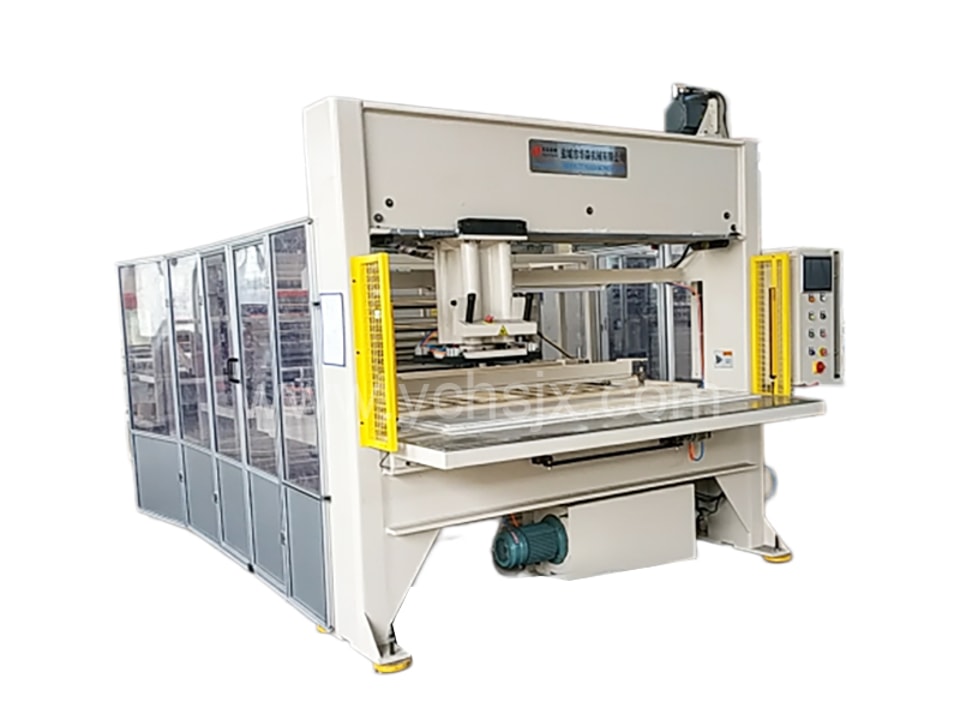
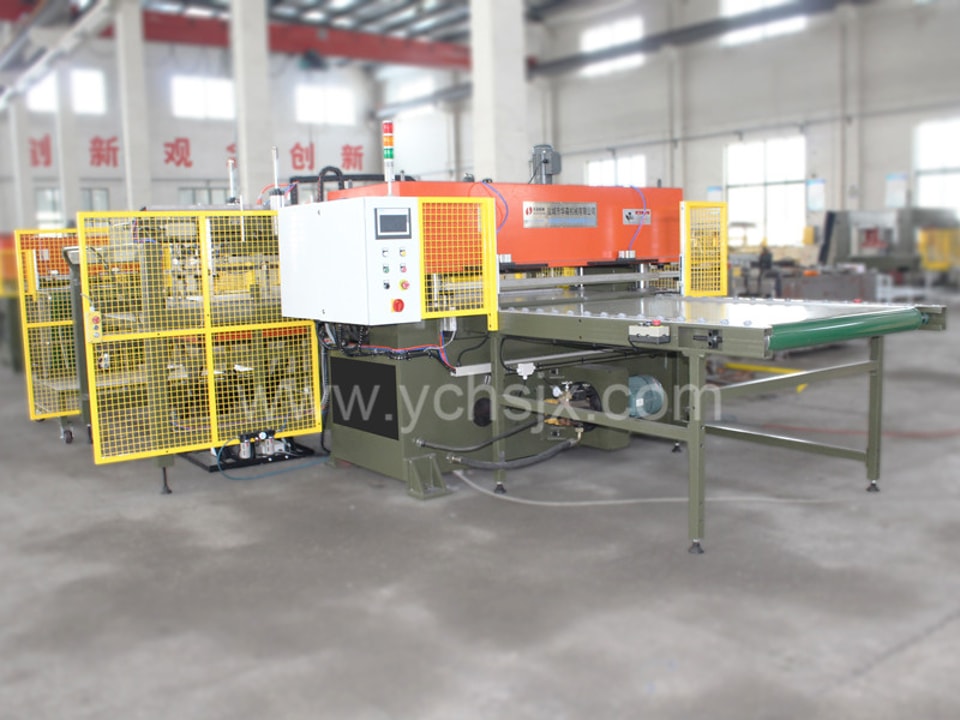
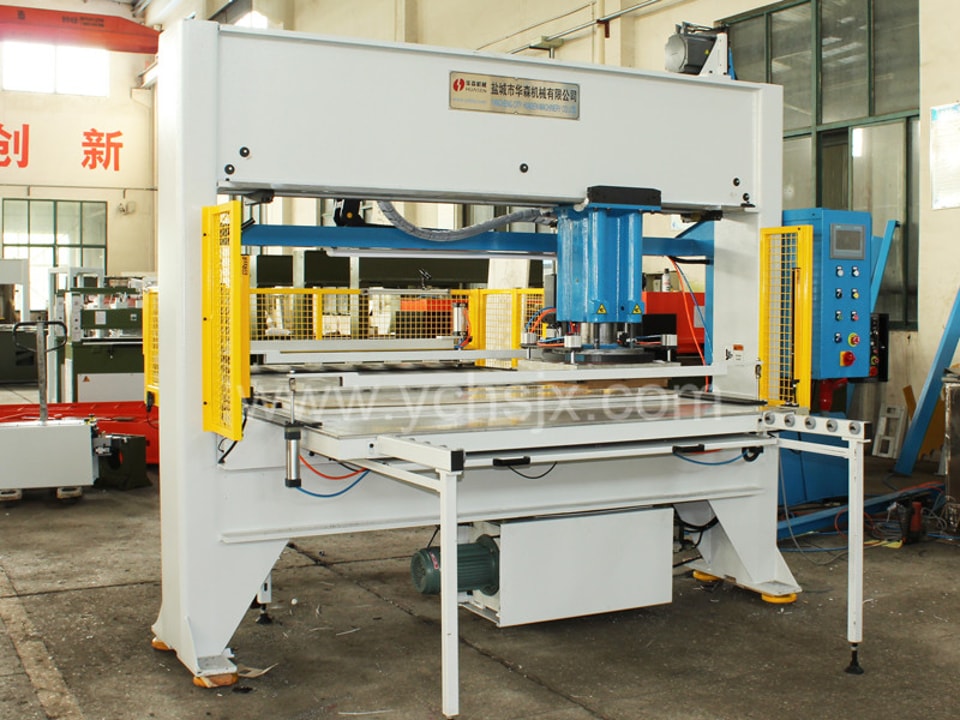
The machines are widely used for household products such as cleaning sponges, scouring pads and glasses cloths, providing efficient cutting solutions for different shapes and materials.
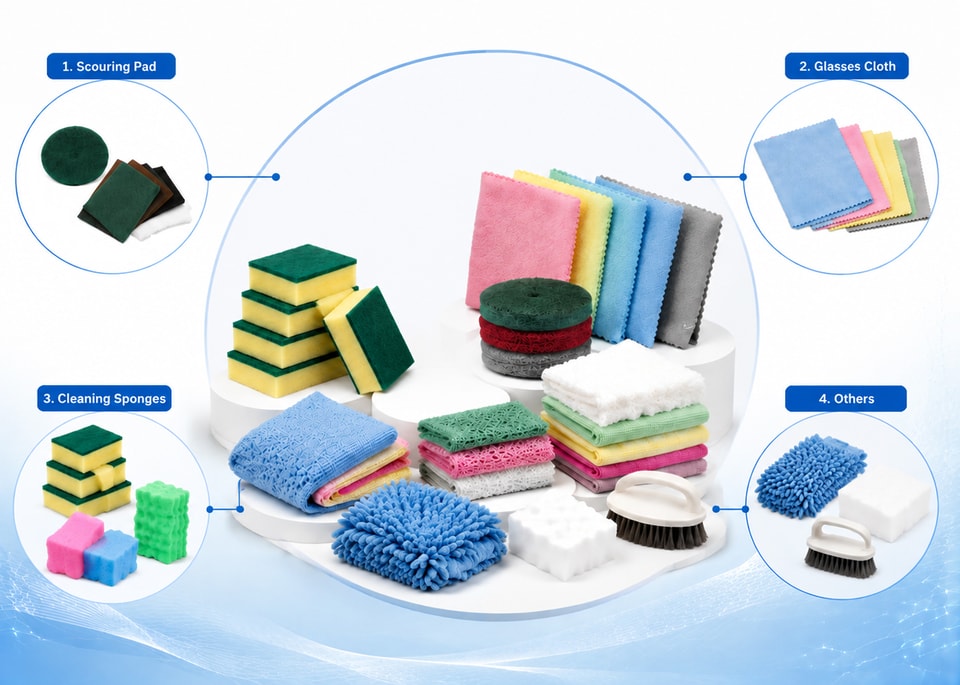
Automatic cutting machines are essential in the sponge and scouring pad (non-woven abrasive) industry, where materials are highly compressible, fibrous, abrasive-impregnated, and require clean, consistent cuts without tearing or deformation. Their applications span from raw foam block conversion to finished consumer and industrial scouring products, addressing challenges of material recovery, dust control, and high-speed throughput.
For polyurethane foam sponges (both polyester and polyether types), horizontal and vertical band-knife cutting machines are the primary workhorses. These machines process large foam buns (up to 2m x 2m x 6m) into thin sheets, slabs, or custom thicknesses with tolerance as tight as ±0.5mm. CNC-controlled contour cutting systems with reciprocating blades then shape these sheets into specific geometries—kitchen sponges, car wash mitts, makeup applicators, and medical cleaning pads. Hot-wire cutting technology is also employed for thicker foams, using electrically heated nichrome wires to simultaneously cut and slightly melt the cut surface, creating a sealed skin that reduces particle shedding and improves durability.
For scouring pads and non-woven abrasive hand pads (often impregnated with aluminum oxide, silicon carbide, or diamond grit), ultrasonic cutting technology is the preferred method. Ultrasonic blades vibrating at 20–40 kHz produce a low-friction, high-frequency cut that cleanly separates the dense, fibrous nylon or polyester webs without compressing or fraying the edges. This is critical because compression can close the pore structure, reducing the pad's water absorption and cleaning effectiveness. Ultrasonic systems can cut stacks up to 80mm thick of these abrasive-impregnated materials, simultaneously sealing the cut edges to prevent fiber unraveling—an advantage that eliminates secondary edge-binding operations. Multi-head ultrasonic cutters achieve production speeds of up to 30 meters per minute for continuous roll conversion.
For dual-material composites—sponge bonded to scouring layer (e.g., cellulose sponge with a green abrasive top)—die-less CNC oscillating knife systems are used. These machines feature automatic tool-changing heads that switch between straight blades, serrated blades, and rotary cutters to handle the different densities and abrasiveness within a single product. Integrated vision systems scan the composite sheet to detect adhesive distribution and align cuts precisely between the two layers, ensuring the abrasive portion covers the intended area without waste. Waterjet cutting is also employed for high-end industrial scouring products with fiberglass or ceramic reinforcements, as the cold cutting process prevents thermal degradation of the adhesive bond line.
In the production of specialty sponge products such as flame-retardant foams, anti-static cleaning pads, and medical-grade sterile sponges, laser cutting systems with sealed CO₂ or fiber lasers are utilized. These lasers cut with micron-level precision (±0.05mm) without mechanical contact, eliminating contamination risks. The laser energy slightly fuses the cut edge, producing a smooth, non-linting surface critical for cleanroom and hospital applications. Automated nesting software optimizes layout on the foam sheet, achieving material utilization rates exceeding 92%, significantly reducing expensive raw material waste.
For roll-to-roll processing of continuous scouring pad material, rotary die-cutting stations with servo-driven feeding systems are employed. These high-speed machines (up to 120 cuts per minute) produce uniform rounds, squares, or custom shapes for floor maintenance disks, hand pads, and drill-mounted abrasive wheels. Automatic stacking and counting modules sort finished pieces directly into packaging, minimizing manual handling. Some advanced models incorporate thickness sensors that automatically adjust cutting depth to compensate for material density variations across the roll width.
Additionally, CNC foam contour cutters with hot-wire or oscillating blade capabilities are used for 3D-shaped sponges—automotive seat cushion inserts, acoustic panels, and ergonomic kneeling pads. These 5-axis systems follow complex CAD-generated toolpaths to create tapered edges, radius corners, and internal cavities, all with minimal dust generation through integrated vacuum extraction.
Finally, all these automatic cutting machines are integrated with smart factory platforms that track blade life, material yield, and production KPIs in real-time. Predictive maintenance algorithms monitor motor current, vibration, and temperature to schedule blade changes before quality degradation occurs, reducing unplanned downtime by up to 35%. Dust extraction systems with ATEX-certified filtration handle the fine particles generated from abrasive materials, ensuring operator safety and regulatory compliance. Collectively, these technologies deliver 30–50% labor savings, 15–20% material waste reduction, and consistent product quality across millions of units, enabling manufacturers to meet the diverse demands of household, automotive, industrial, and healthcare cleaning markets.
Contact Us


