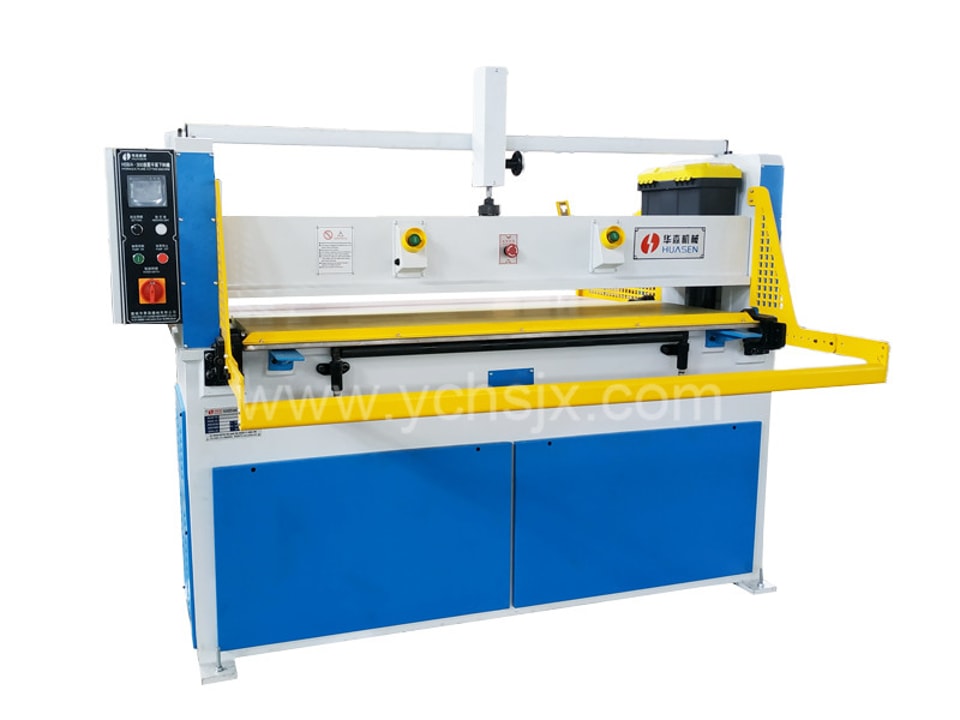
Hydraulic Die Cutting Machine Manufacturing
CUTTING MACHINE MANUFACTURER

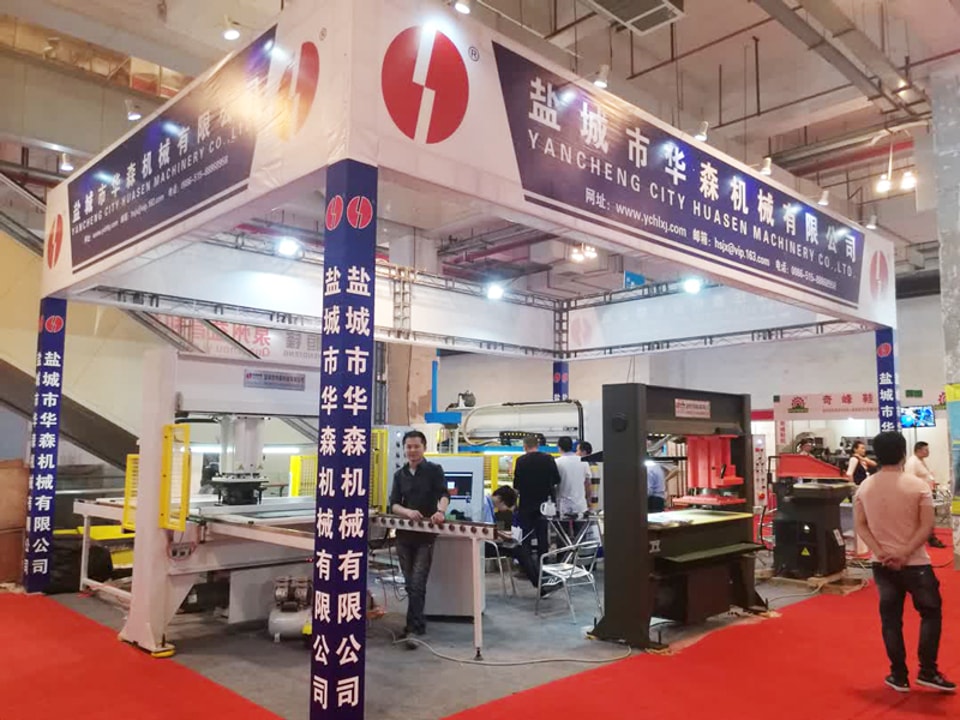
Huasen Machinery

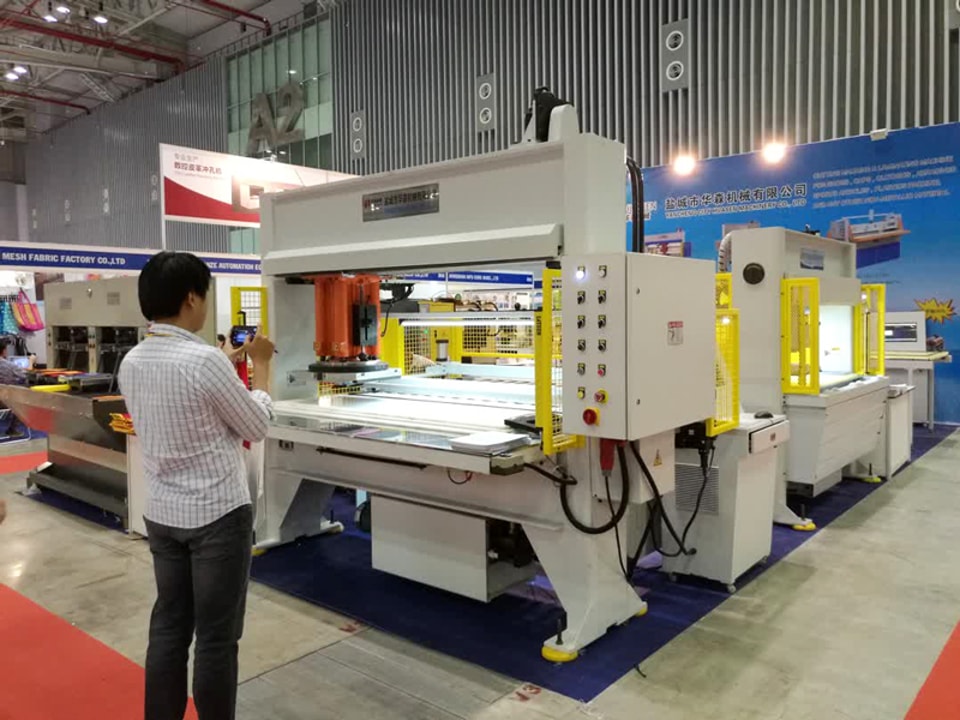
Husen Machinery is a leading manufacturer in top quality hydraulic die cutting machine and customized cutting machine in China.

OUR EQUIPMENT

Product Center

Decorative Panels
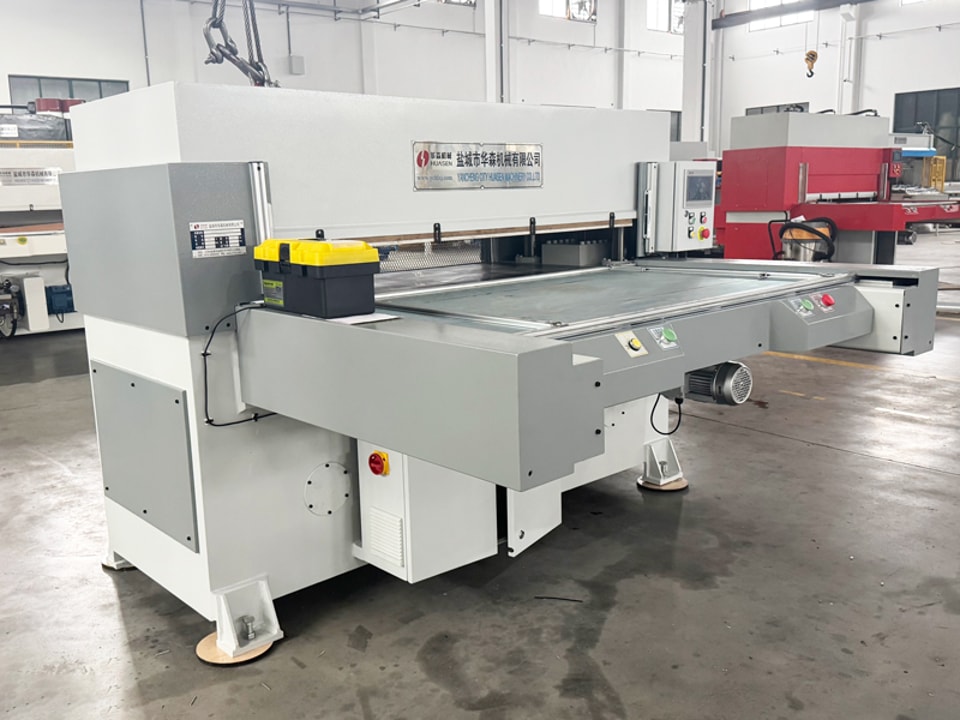
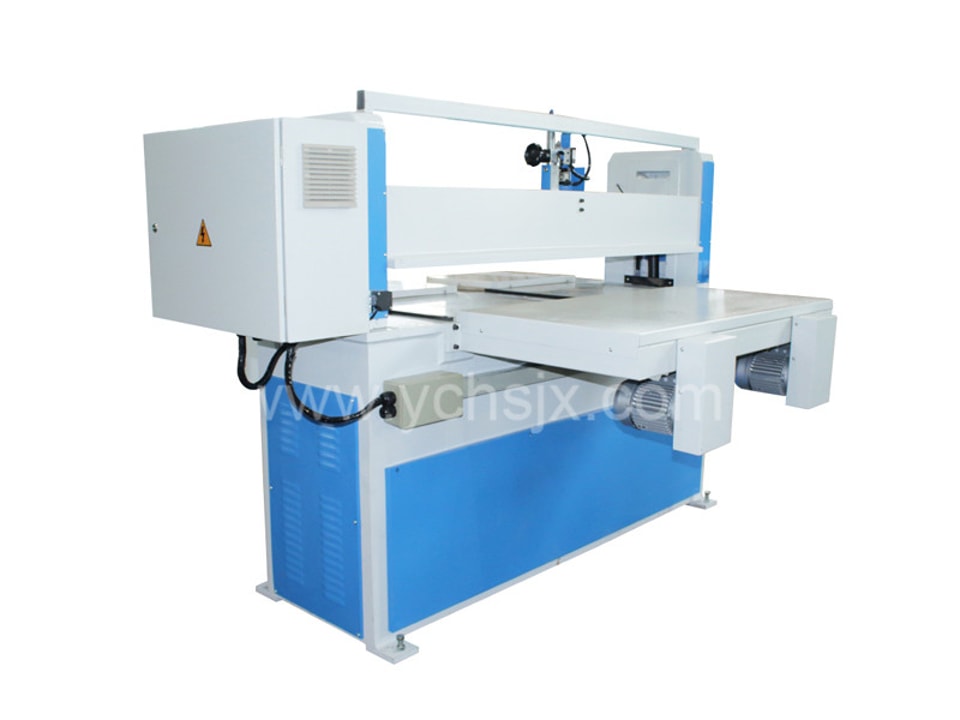
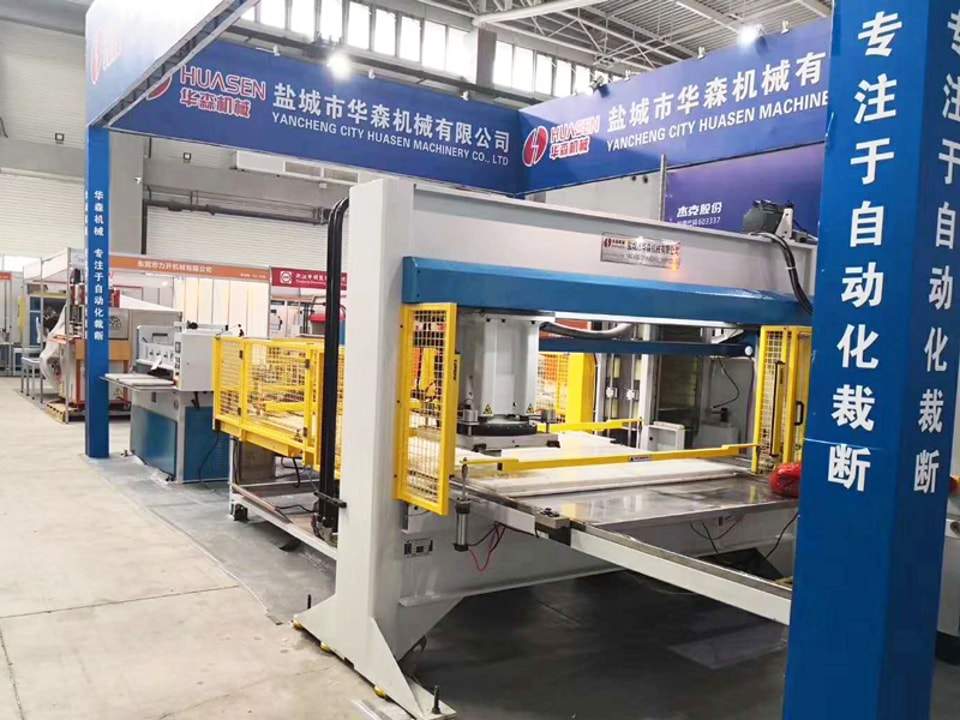
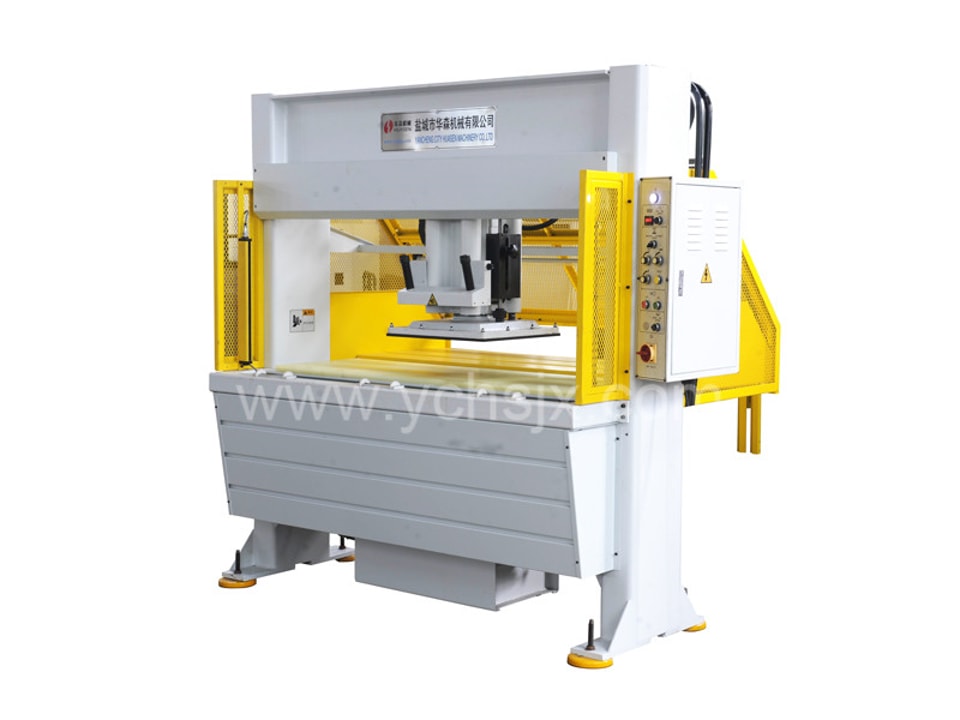
Traveling Head Die Cutting Machine

Flexible moving head design provides precise cutting for large-area and multi-layer materials.

View More +
New Estate Railings
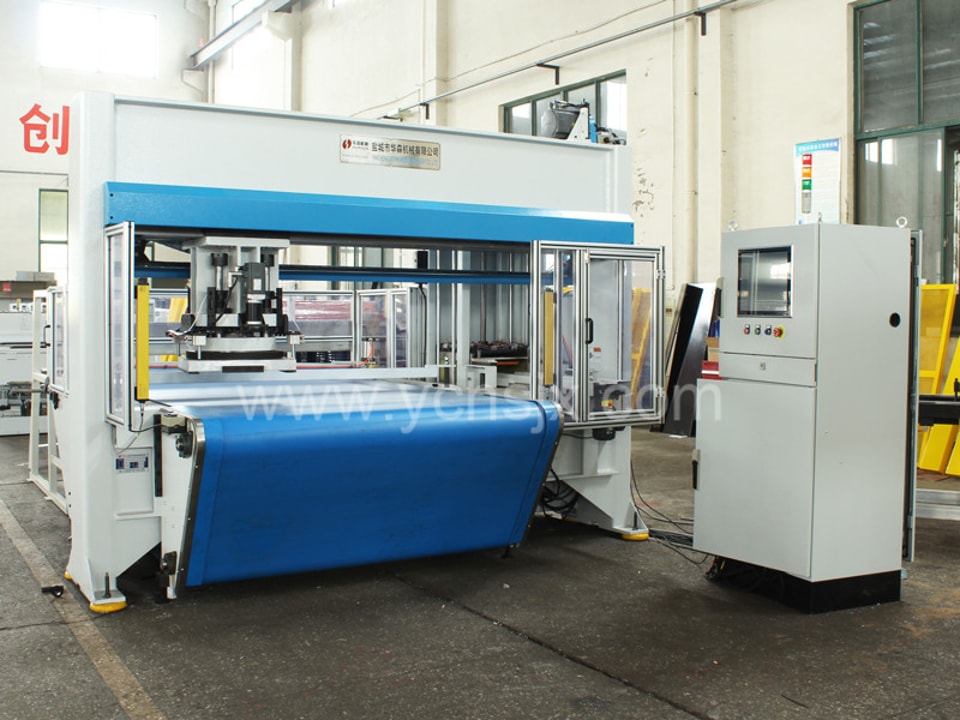
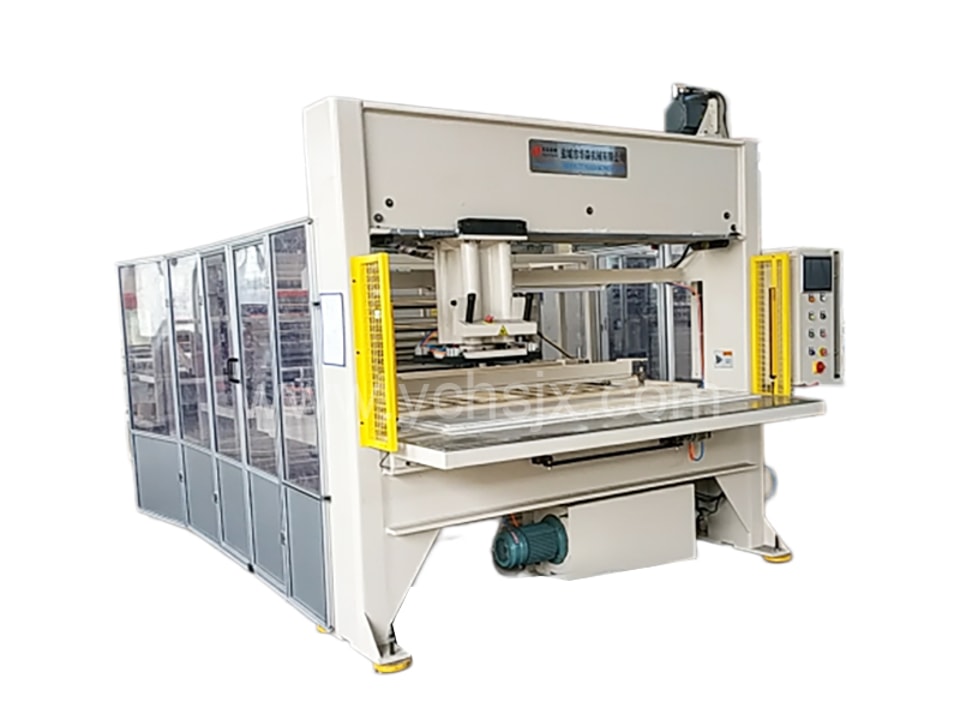
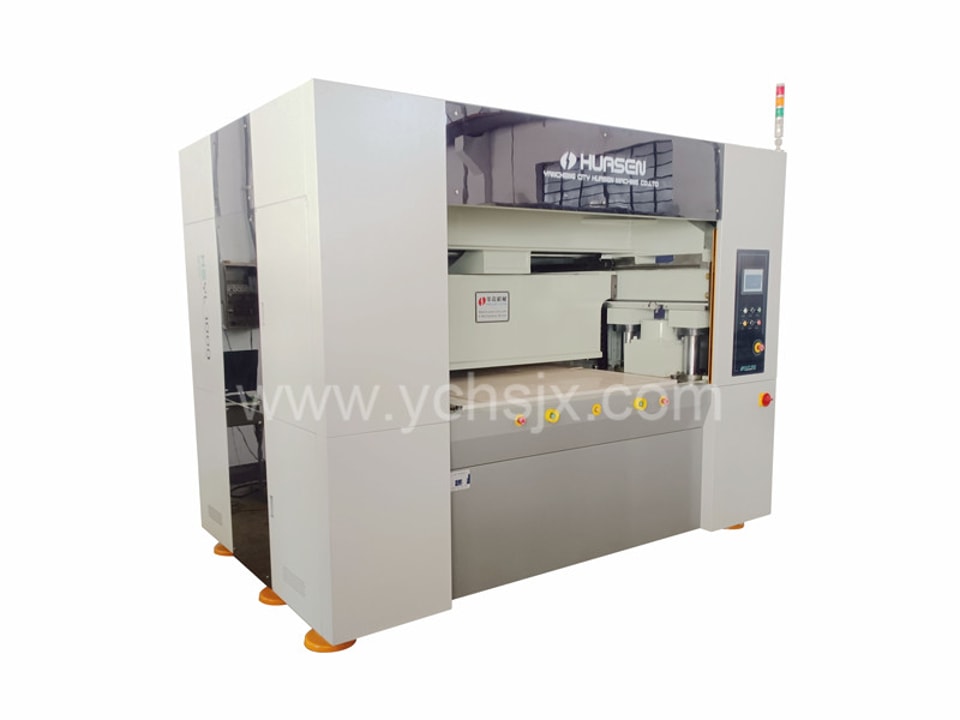
Receding Head Beam Press

It is suitable for high-volume production of automotive parts, footwear, luggage, foam and composite materials.

View More +
Traditionally Forged Gates
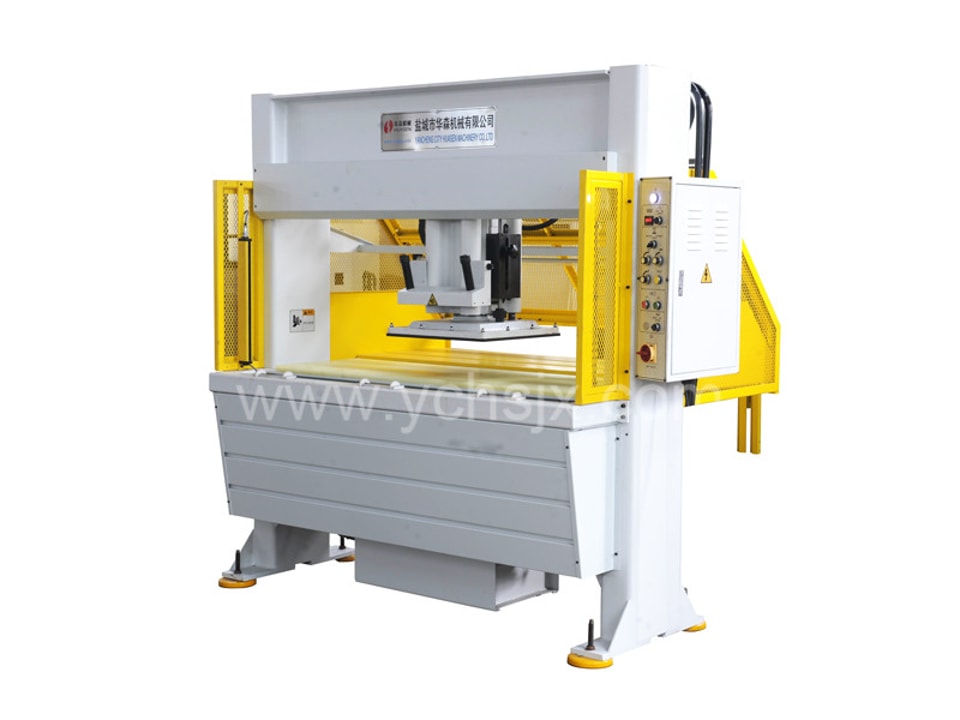
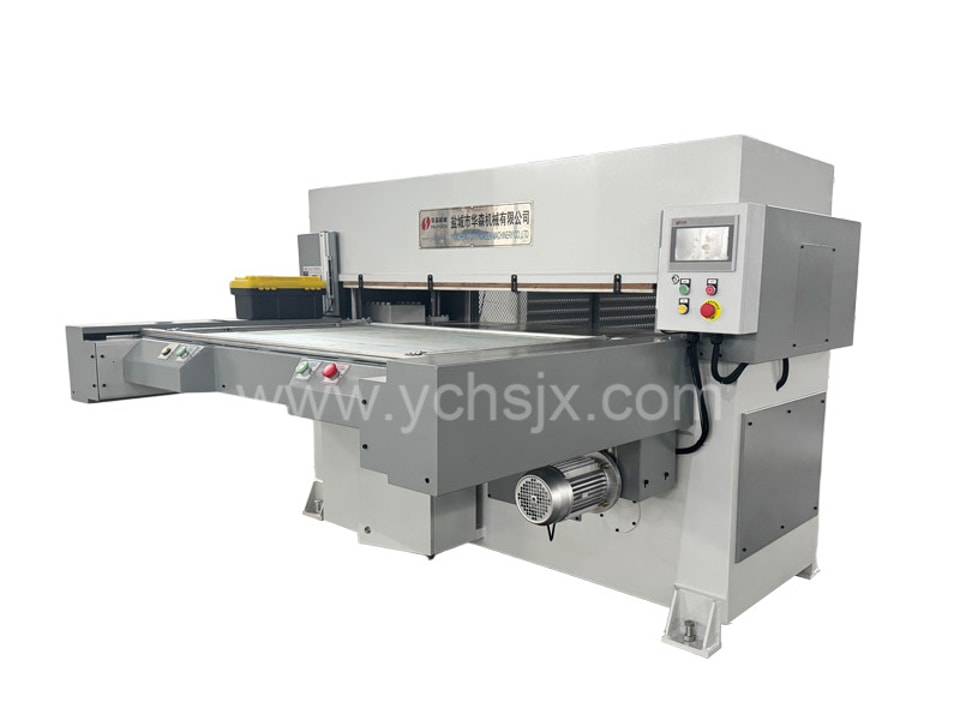
Hydraulic Plane Cutting Machine

Reliable hydraulic system delivers stable cutting performance for various materials.

View More +
Gate Repair
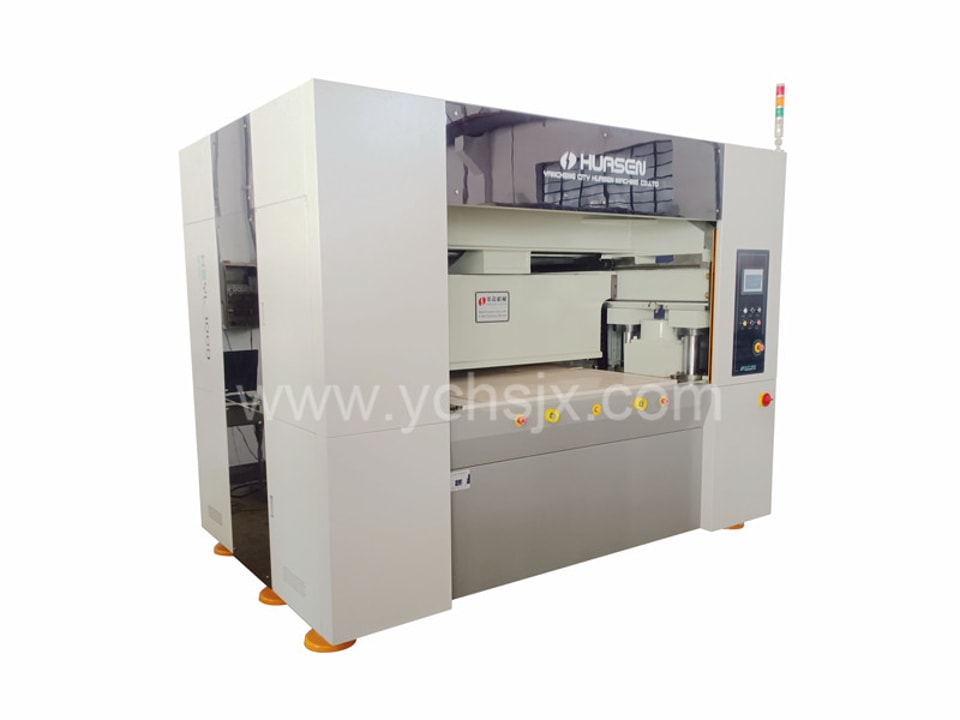
Customized Cutting Machine

Customized solutions based on materials and production requirements to meet special applications.

View More +
Custom Ironwork
Four-Column Die Cutting Machine

Stable four-column structure ensures precise cutting and reliable performance for industrial applications.

View More +
Window Restoration
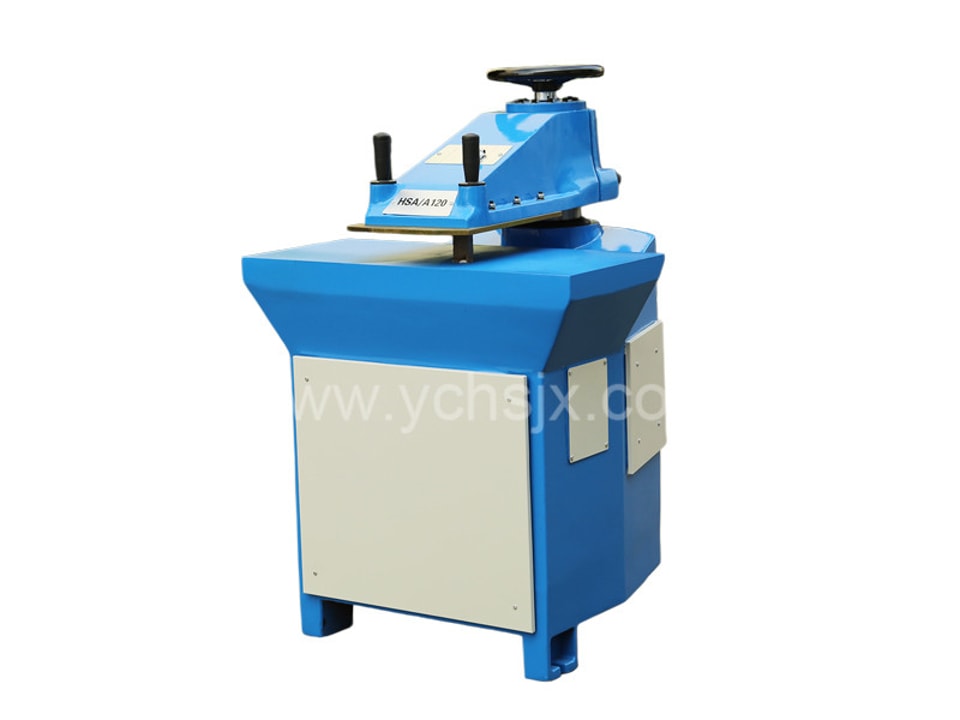
Swing Arm Clicker Press

Flexible hydraulic cutting machine with easy operation and accurate cutting, suitable for leather, footwear, bags and textiles.

View More +

Why Choose Us

Leveraging decades of extensive experience in the manufacturing of cutting equipment, we provide professional services.

Customized Cutting Solutions

Professional engineering team provides customized machines according to different materials, products and production requirements.

Global Service Support

Providing technical consultation, installation guidance and after-sales service to support customers worldwide.

Professional R&D Team

Experienced engineers continuously improve machine performance and develop innovative cutting solutions.

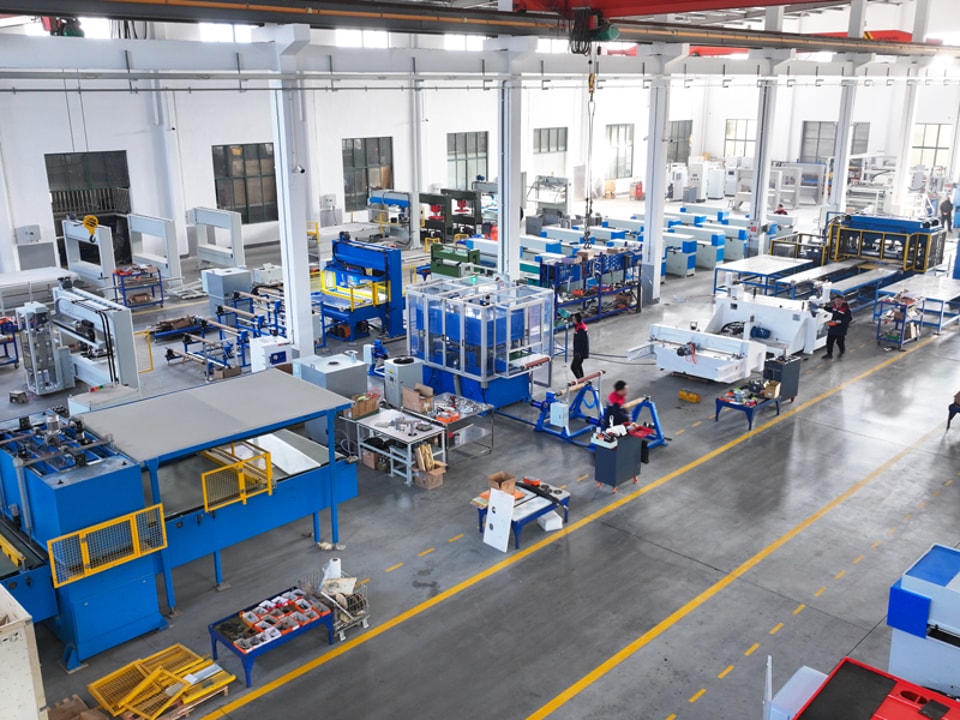
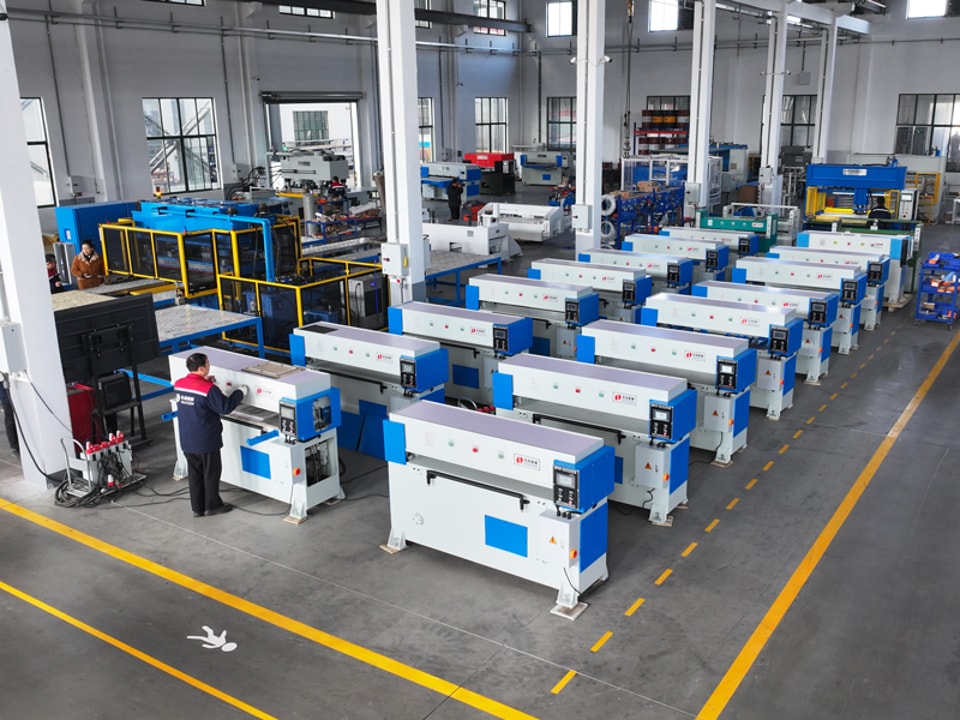
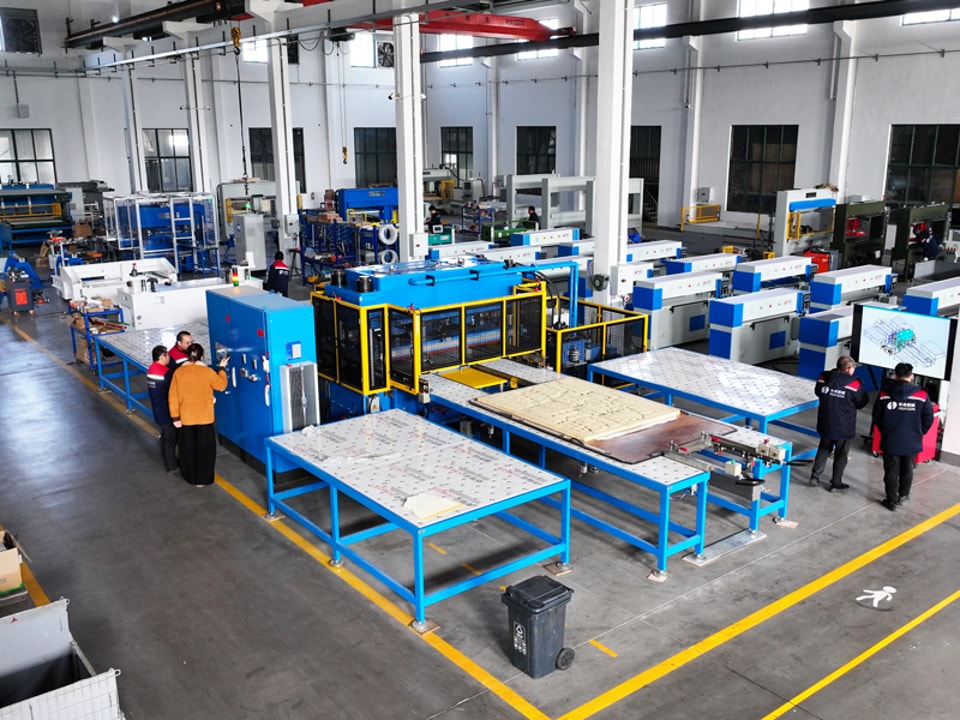
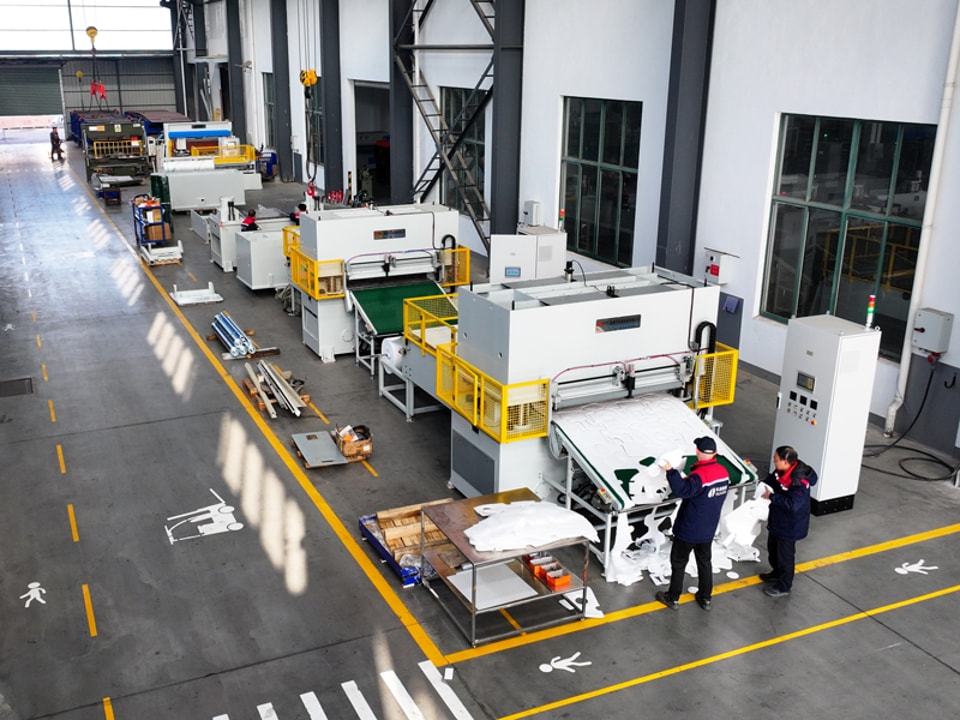
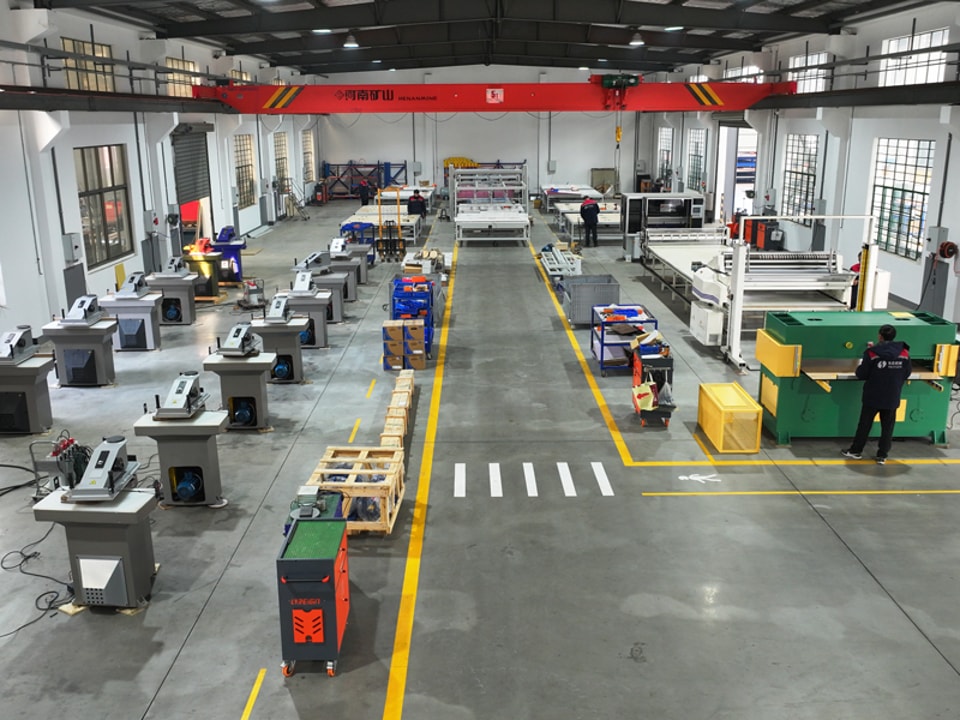
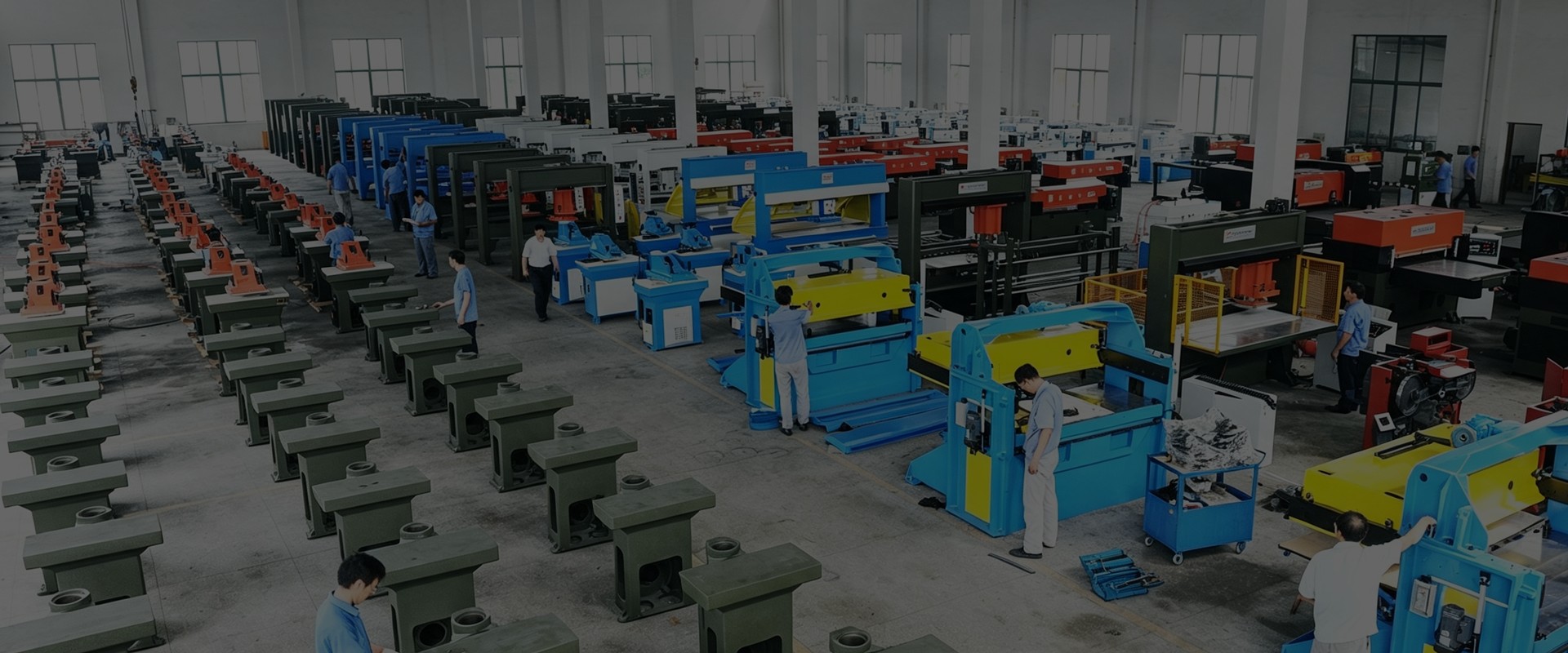
Huasen Machinery workshop

About Us

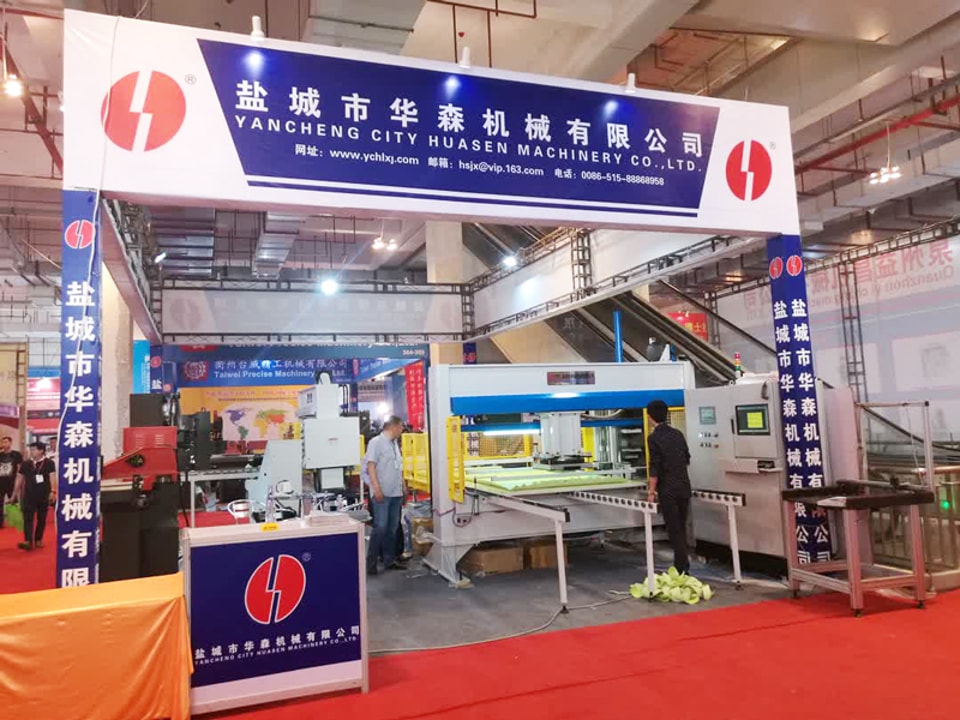
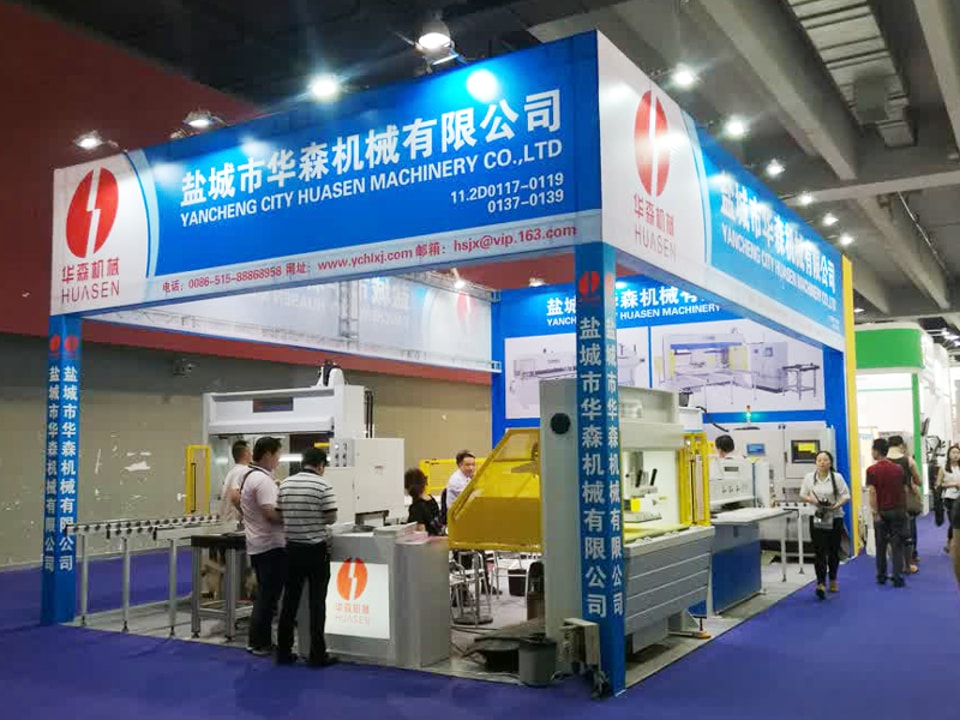
Yancheng City Huasen Machinery Co.,Ltd was established in Yancheng city, Jiangsu province in the 1980s. Husen Machinery is a leading manufacturer in top quality hydraulic die cutting machine and customized cutting machine in China.
35
+
years of experience
  • Professional Cutting Machine Manufacturer

INSIGHTS & UPDATESLatest News

How Does a Traveling Head Die Cutting Machine Work?
2026-07-29 16:04:19

How Does a Traveling Head Die Cutting Machine Work?

A traveling head die-cutting machine is a high-efficiency cutting device featuring a movable cutting head structure. It utilizes a hydraulic system or mechanical drive to move the cutting head across the work area, working in conjunction with a specialized die to perform precise material cutting.Compared to traditional stationary cutting equipment, traveling head die-cutting machines offer a larger operating range, higher material utilization, and greater processing flexibility. They are widely used in industries such as footwear, leather goods, packaging, automotive interiors, electronic accessories, foam processing, and composite materials. I. Power System Provides Cutting PressureThe primary operating power for the traveling head die-cutting machine comes from its hydraulic system.Upon startup, the hydraulic system generates pressure and transmits it to the cutting head, driving the head and the attached die downward to apply pressure to the material placed on the worktable.Once the pressure reaches the preset level, the die cuts into the material, completing the cutting cycle.The hydraulic system delivers stable pressure output, enabling the machine to handle materials of varying thicknesses and hardness levels. II. Movable Cutting Head Enables Flexible ProcessingThe defining feature of the traveling head die-cutting machine is the ability of the cutting head to move within the work area.During processing, the operator can adjust the position of the cutting head based on the material's placement, ensuring the die aligns precisely with the area to be cut.This design expands the machine's effective working range, making it particularly suitable for large-format materials or production scenarios requiring frequent adjustments to cutting locations.Compared to stationary cutting equipment, the movable structure reduces the need for material handling and enhances processing efficiency. III. Precision Cutting via DiesTraveling head die-cutting machines typically utilize specialized dies for processing.Dies are custom-fabricated to meet specific product shape and size requirements and are then mounted onto the cutting head.During operation, the cutting head moves to the designated location and descends; the applied pressure forces the die through the material, creating the desired product shape.This die-based processing method ensures consistent cutting dimensions and improves product quality stability. IV. Material Positioning and the Cutting ProcessThe workflow of a traveling head die-cutting machine typically involves several steps: material placement, position adjustment, cutting head movement, pressure cutting, and automatic return. First, lay the material to be processed flat on the worktable and position it according to the product layout requirements.Next, the cutting head moves to the designated area and descends to perform the cutting operation.Once the cut is complete, the cutting head returns or moves to the next processing position to continue the cycle.Through this continuous operating cycle, the equipment meets the demands of mass production. V. Pressure Control Affects Cutting ResultsDifferent materials require different cutting pressures.For instance, leather requires clean, smooth edges; foam requires pressure that avoids compression deformation; and rubber materials require sufficient pressure to ensure a clean cut.The moving-head cutting machine allows for the adjustment of pressure parameters based on material characteristics, ensuring optimal processing results.Proper pressure control not only improves cutting quality but also reduces die wear and material waste. VI. High-Precision Guidance Ensures Operational StabilityDuring operation, the moving-head cutting machine must ensure the cutting head moves to precise locations.The equipment utilizes a precision guidance structure to keep the cutting head stable during movement, minimizing deviation and error.Stable movement ensures accurate die positioning and enhances processing precision.Precise positioning is particularly critical for products with strict dimensional requirements, such as electronic accessories and precision packaging materials. VII. Suitable for Processing a Wide Range of MaterialsThe moving-head cutting machine demonstrates strong material versatility.Commonly processed materials include leather, EVA, rubber, foam, non-woven fabrics, textiles, plastic sheets, packaging materials, and multi-layer composites.By changing dies and adjusting equipment parameters, the machine can meet production needs across various industries and maximize operational efficiency. VIII. Improved Production Efficiency and Material UtilizationThe moving-head cutting structure reduces the need for frequent material repositioning, thereby enhancing processing continuity.When processing large sheets of material, the machine moves the cutting head according to the layout, allowing for more efficient material usage.Precise cutting minimizes scrap, improves raw material utilization, and lowers production costs. IX. Safety Controls Ensure Reliable OperationModern moving-head cutting machines are typically equipped with safety features such as safety sensors and emergency stop buttons.These designs mitigate operational risks and enhance the safety of the machine's operation.Additionally, standardized operation and regular maintenance of the hydraulic system, moving mechanisms, and control systems are essential measures for ensuring stable equipment performance. SummaryThe working principle of the moving-head cutting machine involves using a power system to generate pressure and a movable cutting head for precise positioning, combined with specialized cutting dies to perform the material cutting process.Its key advantages include a large cutting area, flexible positioning, high processing efficiency, and strong material adaptability.With its stable performance and efficient processing capabilities, the moving-head cutting machine meets the demands for precision and efficiency across various industries—such as footwear materials, leather, packaging, automotive interiors, and electronic accessories—making it a vital piece of equipment in modern material processing.

What Materials Can Be Cut with a Receding Head Beam Press?
2026-07-04 15:55:36

What Materials Can Be Cut with a Receding Head Beam Press?

The Receding Head Beam Press is a high-efficiency material cutting machine that performs cutting operations primarily through a movable head structure. During operation, the cutting head moves according to the material's position, offering greater operational flexibility while utilizing specialized cutting dies to achieve precise cuts.Characterized by a large cutting area, high material utilization, and ease of operation, the receding head beam press is widely used across industries such as footwear, leather goods, automotive interiors, packaging, electronic accessories, and composite materials, capable of processing a variety of flexible and sheet materials. I. Leather MaterialsLeather is a common material processed by receding head beam presses, including natural leather, artificial leather, PU leather, and PVC leather.The production of footwear, luggage, and leather goods requires extensive leather cutting. Given the material's softness, complex grain, and high value, there are strict requirements for cutting precision and material utilization.The receding head design allows for flexible material positioning; combined with specialized cutting dies, it enables rapid cutting of various shapes, thereby boosting production efficiency and minimizing material waste. II. Footwear MaterialsThe footwear industry requires the processing of diverse materials, such as EVA, rubber, foam, insole materials, and synthetic leather.Receding head beam presses enable precise cutting tailored to specific footwear component designs, facilitating the production of uppers, soles, insoles, cushioning layers, and more.The machine's stable pressure output ensures clean cutting edges and consistent product dimensions, making it ideal for the mass production of athletic shoes, casual footwear, and safety shoes. III. Foam and Sponge MaterialsFoam materials—including EVA foam, PU foam, and sponge—are widely used in sectors such as packaging, automotive manufacturing, electronics, and sports equipment.These materials are soft and elastic, requiring stable pressure to ensure optimal cutting results.By precisely adjusting pressure parameters, the receding head beam press enables rapid cutting of foam materials while minimizing compression deformation, thereby enhancing the quality of the finished product. IV. Automotive Interior MaterialsThe manufacturing of automotive interiors involves processing a wide range of flexible materials, such as leather, non-woven fabrics, sound-insulating cotton, felt, and composite foam.The large working area and flexible, movable structure of the receding-head cutting machine make it ideal for processing large automotive interior components.The equipment can be used to cut materials for seats, door panel liners, sound insulation components, and more, thereby boosting production efficiency while ensuring dimensional accuracy. V. Textiles and Non-woven MaterialsCommon materials in the textile industry—such as fabrics, knitted materials, non-woven fabrics, and felt—are also suitable for processing on receding-head cutting machines.The equipment is used to manufacture products such as garment accessories, filtration materials, protective gear, and decorative materials.Using die-cutting methods allows for the rapid processing of complex shapes, increasing production speed and minimizing errors associated with manual cutting. VI. Packaging MaterialsThe packaging industry relies heavily on materials such as EPE foam (pearl cotton), corrugated cardboard, and cushioning materials.Receding-head cutting machines can utilize custom-designed cutting dies based on product shapes to process packaging inserts, shock-absorbing pads, and protective structures.Precise cutting ensures a better fit between packaging materials and the product, enhancing packaging quality and increasing production efficiency. VII. Rubber and Plastic SheetsReceding-head cutting machines are also suitable for various rubber and plastic materials, including rubber sheets, silicone sheets, PVC, and TPU.These materials are commonly used for products such as seals, protective components, and shock-absorbing parts.The equipment delivers stable cutting pressure, resulting in smoother cut edges and higher processing precision for industrial components. VIII. Electronic Accessory MaterialsThe production of electronic products requires significant quantities of flexible accessory materials, such as protective films, double-sided tape, insulation materials, and conductive foam.These materials are typically small in size and demand high cutting precision.By using precise cutting dies, receding-head cutting machines enable the efficient and highly consistent cutting of electronic accessories, meeting the demands of mass production. IX. Composite MaterialsIn modern manufacturing, an increasing number of products utilize composite structural materials—such as leather-foam composites, fabric-adhesive composites, and fiber-reinforced composites. The receding-head cutting machine can adjust cutting parameters based on material thickness, enabling the processing of multi-layer materials.This processing method reduces production steps and enhances efficiency, making it suitable for the production of complex materials. X. Industrial Sheet MaterialsIn the field of industrial manufacturing, the receding-head cutting machine can also be used to process materials such as seals, insulation, shock-absorbing components, and filtration media.The equipment ensures dimensional stability of parts, improves the quality of industrial products, and meets the demands of long-term, high-volume production. ConclusionThe receding-head cutting machine is suitable for processing a wide range of materials, including leather, footwear materials, foam, automotive interior materials, textiles, non-woven fabrics, packaging materials, rubber, plastics, electronic accessories, and composite materials.With its movable head structure, extensive cutting range, and stable cutting performance, the receding-head cutting machine maximizes material utilization and production efficiency, providing high-precision cutting solutions across various industries.

What Industries Need Hydraulic Plane Cutting Machines?
2026-08-28 15:52:50

What Industries Need Hydraulic Plane Cutting Machines?

A hydraulic flatbed cutting machine is an industrial device that utilizes a hydraulic system to generate pressure and employs cutting dies to precisely cut materials. Characterized by stable pressure, high cutting efficiency, and versatility regarding materials, these machines are widely used in manufacturing sectors that require the mass processing of sheet materials, flexible materials, and composites.From traditional footwear and leather industries to automotive interiors, electronic accessories, packaging, and general industrial manufacturing, hydraulic flatbed cutting machines help enterprises boost production efficiency and ensure processing precision. I. Footwear Manufacturing IndustryThe footwear industry is a major application area for hydraulic flatbed cutting machines.Footwear production involves cutting large quantities of materials such as leather, synthetic leather, EVA, rubber, foam, and insole materials. Given the complex shapes of footwear components and the strict requirements for dimensional accuracy, manual cutting is prone to errors.By using specialized cutting dies, hydraulic flatbed cutting machines can rapidly cut components—such as uppers, soles, insoles, and decorative pieces—thereby increasing production efficiency while ensuring consistent product dimensions. II. Leather Goods IndustryThe production of leather goods—such as luggage, wallets, belts, and leather accessories—requires extensive precision cutting.Leather materials are often soft and vary in thickness; traditional processing methods can easily lead to material waste.Hydraulic flatbed cutting machines allow for the creation of custom dies based on product designs, enabling rapid cutting, improving material utilization, and minimizing dimensional deviations caused by manual handling. III. Packaging IndustryThe packaging industry has a high demand for materials such as foam, pearl cotton (EPE), shock-absorbing materials, and cardboard.Hydraulic flatbed cutting machines can perform customized cutting based on product shapes to produce items like packaging inserts, protective pads, and cushioning layers.Mechanized processing accelerates the production of packaging materials while ensuring precise structural dimensions, thereby enhancing product protection. IV. Automotive Interior IndustryAutomotive manufacturing requires the extensive use of flexible interior materials, such as leather, non-woven fabrics, sound-insulating cotton, foam, and composite materials.Hydraulic flatbed cutting machines meet the stringent requirements for dimensional accuracy and processing stability demanded by automotive interior components. The equipment can be used to process products such as seating materials, door panel liners, and sound insulation components, thereby enhancing production efficiency and ensuring greater precision during subsequent assembly. V. Electronic Accessories IndustryThe electronics industry demands high processing precision; common materials include insulating sheets, protective films, double-sided tapes, foam tapes, and conductive materials.These materials are typically thin and require clean, neat cutting edges.By precisely controlling pressure, hydraulic flatbed cutting machines enable the processing of small-sized materials with high accuracy, making them ideal for the mass production of electronic accessories. VI. Textile and Apparel IndustryThe textile industry makes extensive use of materials such as fabrics, non-woven fabrics, felt, and composite fabrics.Hydraulic flatbed cutting machines can be used to process garment accessories, decorative materials, protective gear, and filtration materials.Compared to manual cutting, the equipment rapidly executes repetitive cuts, boosting production efficiency and minimizing processing errors. VII. Rubber and Plastics IndustryRubber and plastic materials are widely used in the manufacture of industrial components, such as gaskets, anti-vibration pads, insulating sheets, and protective parts.These materials often possess a degree of elasticity, requiring stable pressure to achieve precise cuts.Hydraulic flatbed cutting machines deliver sufficient cutting pressure while maintaining processing stability, meeting the demands of industrial production. VIII. Sports Equipment IndustryThe production of sports equipment involves processing large quantities of materials such as foam, rubber, and fabrics.Items like sports protective gear, yoga mats, and safety equipment require precise cutting tailored to their specific product structures.Hydraulic flatbed cutting machines ensure uniform product dimensions and increased efficiency, satisfying the requirements for mass-producing sports equipment. IX. Medical and Protective Supplies IndustryHydraulic cutting equipment is also utilized in the production of certain medical supplies and protective products.Materials such as non-woven fabrics, filtration media, and flexible composites require standardized cutting processes.Hydraulic flatbed cutting machines offer faster processing speeds and consistent product dimensions, making them suitable for high-volume production. X. Industrial Component ManufacturingIn the field of industrial production, many components are manufactured from sheet materials—such as sealing, thermal insulation, anti-vibration, and electrical insulation materials. Hydraulic flatbed cutting machines enable precise die-cutting, ensuring part consistency and meeting industrial manufacturing requirements for stable quality. SummaryHydraulic flatbed cutting machines are suitable for a wide range of industries, including footwear materials, leather, packaging, automotive interiors, electronic accessories, textiles, rubber, sporting goods, and industrial components.With stable hydraulic pressure, efficient cutting capabilities, and broad material compatibility, this equipment helps enterprises boost production efficiency, reduce material waste, and enhance product processing quality.For manufacturing sectors requiring high-volume, standardized cutting operations, the hydraulic flatbed cutting machine is a reliable and efficient production tool.

Get in touch with us

Feel free to contact our specialists to find out more about our prices and services. We are always ready to answer your questions.

Contact Us

Contact Us