
Footwear
Our cutting machines provide accurate solutions for various footwear materials, including leather, EVA, rubber and textile fabrics. They are suitable for slippers, sports shoes, leather shoes and other footwear production processes.
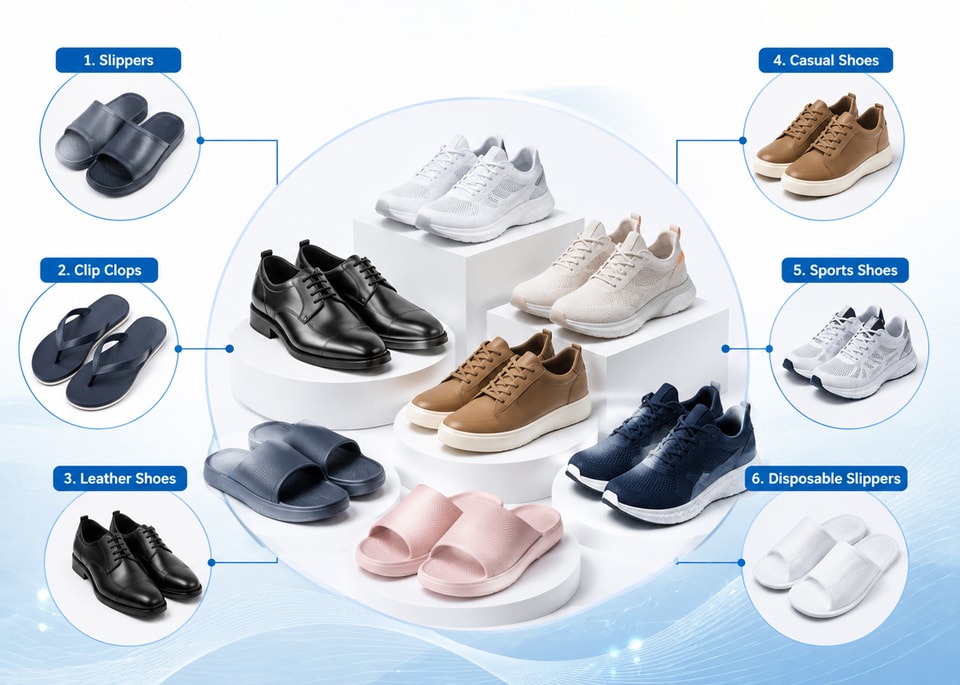
Automatic cutting machines are a cornerstone of modern footwear manufacturing, revolutionizing the entire production chain from raw materials to finished products. Their applications span virtually every component of a shoe, driven by the need for precision, efficiency, and material optimization.
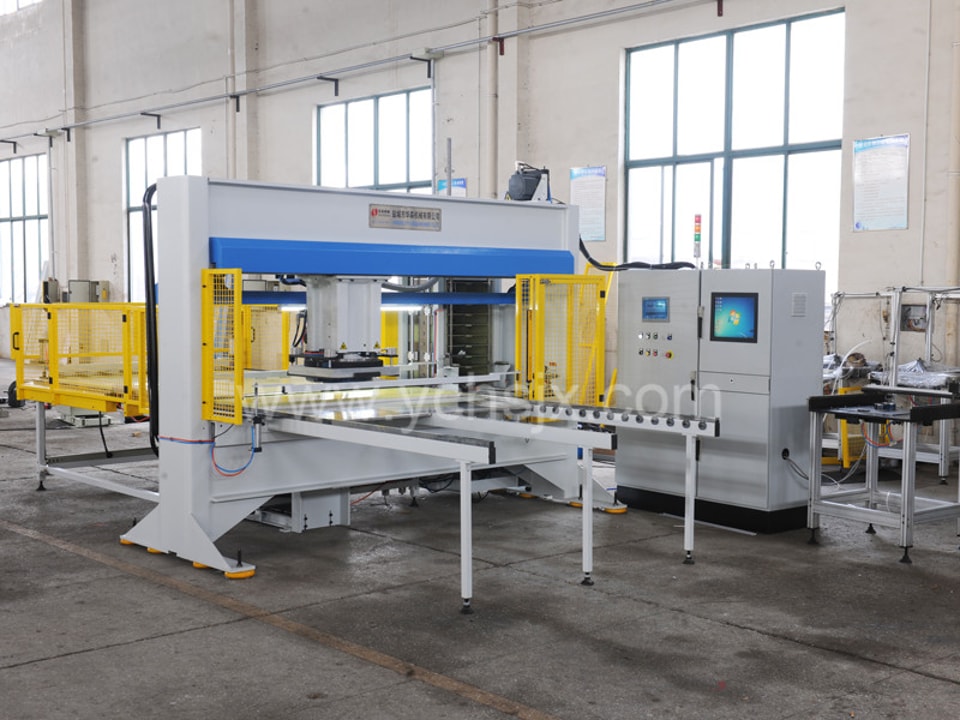
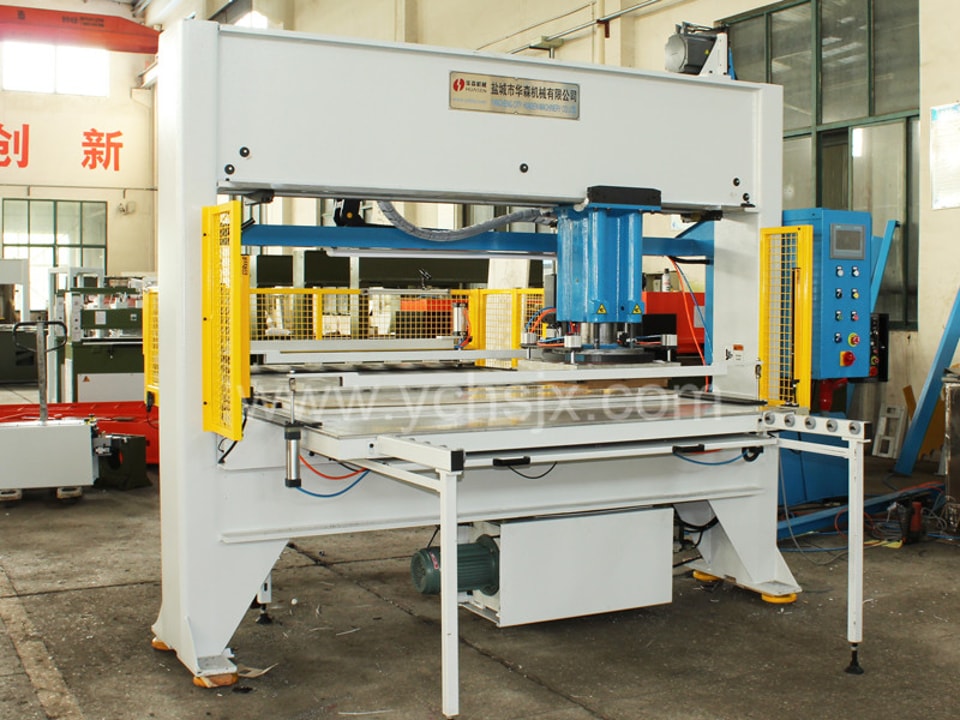
For upper and lining materials, these machines are the workhorses of the industry. They precisely cut complex shapes from genuine leather, synthetic leather, textiles, and advanced knit fabrics like Flyknit, which can reduce cutting scrap waste by up to 80% by knitting uppers to exact 3D data. High-end systems integrate AI-powered nesting software, such as the ITS3 Leather Nesting System, which uses deep learning to automatically detect leather defects and flaws, then calculates the optimal arrangement of parts to minimize waste on irregularly shaped hides. This capability directly addresses the high cost of leather and the challenges of manual nesting, boosting material utilization and reducing costs. The machines themselves often feature dual-head asynchronous cutting systems to dramatically increase throughput while maintaining high precision.
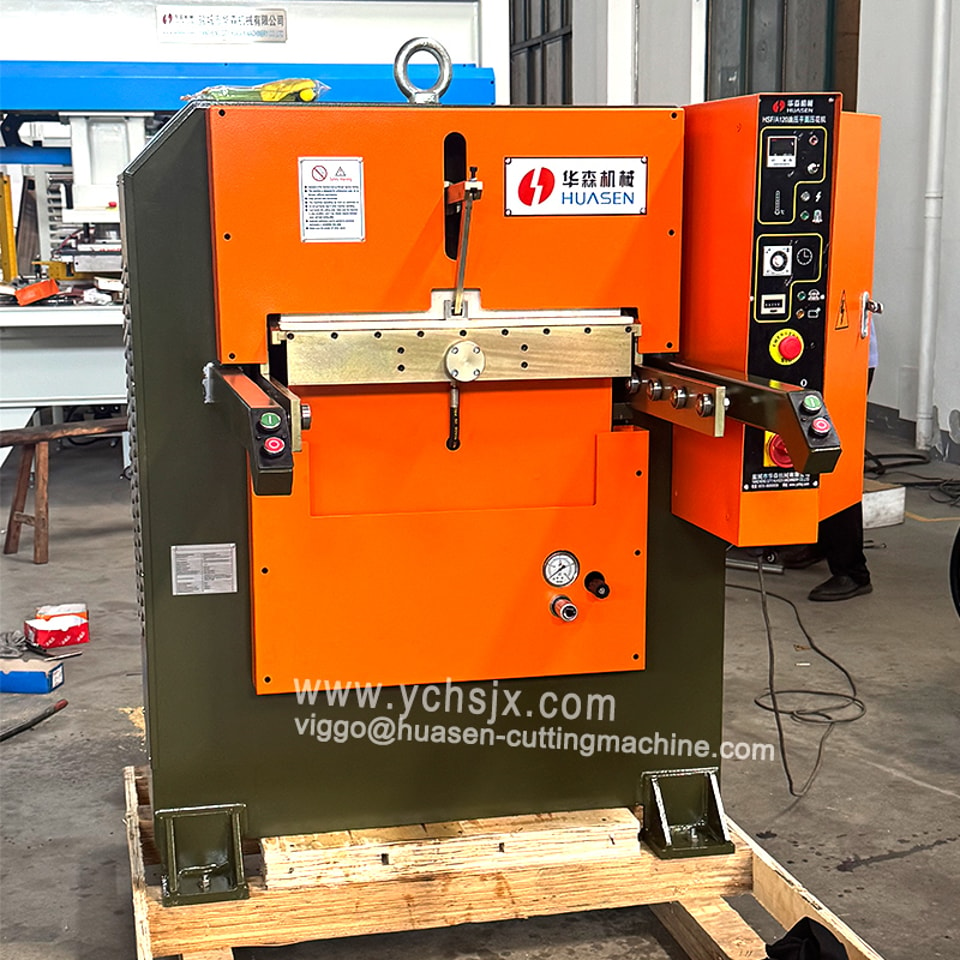
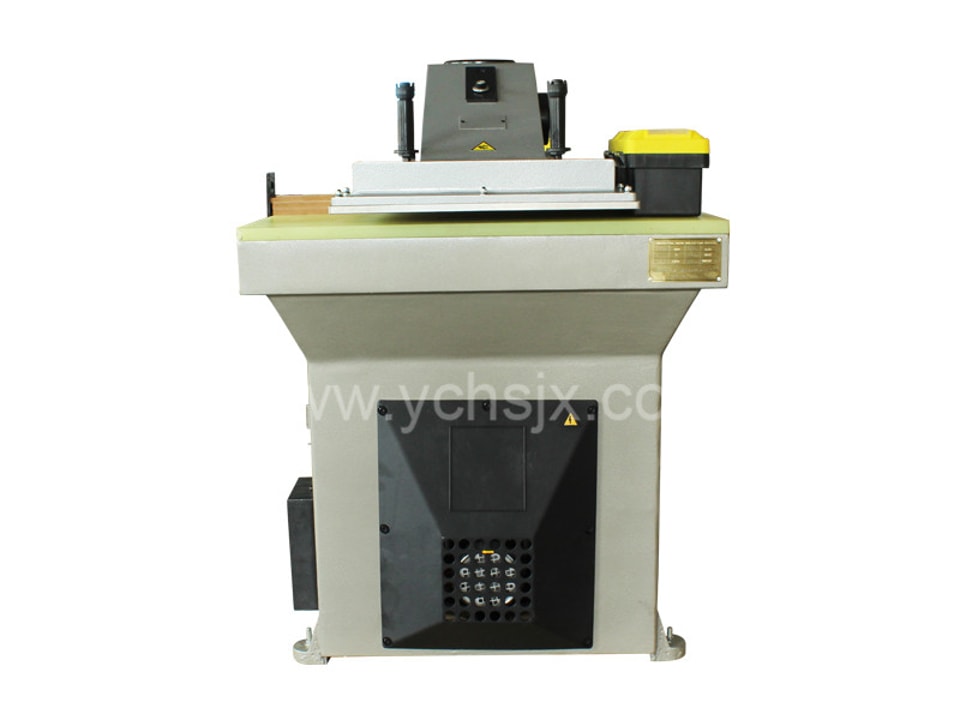
Beyond the upper, automatic cutting is critical for soling components. Specialized hydraulic and oscillating knife cutters are used for insoles, midsoles, and outsoles, handling a diverse range of materials like EVA foam, rubber, and high-performance supercritical foams used in premium running shoes. Precision is paramount here, with professional models achieving tolerances as tight as ±0.05mm to ensure consistent fit and performance across millions of pairs. The ability to quickly switch between hundreds of cutting dies via automated tool magazines also enables efficient production of different sizes and styles without manual retooling.
The benefits of automation extend beyond cutting. Many modern systems are part of a fully integrated digital workflow. They can be paired with vision systems and software like MindCUT to capture hide outlines, perform real-time part nesting, and even project cut lines onto the material for visual guidance. This digitalization replaces traditional cutting presses, which required costly physical dies (cut outs) that quickly became obsolete with fashion changes. By implementing these automated solutions, manufacturers can achieve significant economic gains—such as 24% cost savings from reduced labor and material waste—and environmental benefits, including up to 75% reduction in metal waste. Furthermore, automated features like waste suction systems maintain a clean work area, increasing both safety and efficiency.
Contact Us


