
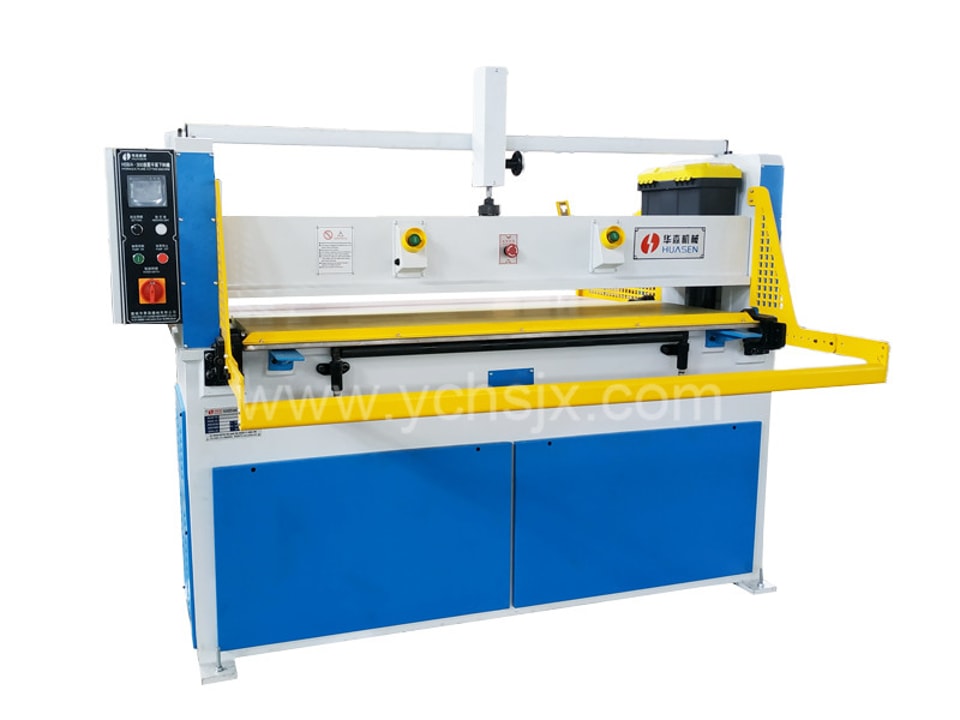
What Industries Need Hydraulic Plane Cutting Machines?
A hydraulic flatbed cutting machine is an industrial device that utilizes a hydraulic system to generate pressure and employs cutting dies to precisely cut materials. Characterized by stable pressure, high cutting efficiency, and versatility regarding materials, these machines are widely used in manufacturing sectors that require the mass processing of sheet materials, flexible materials, and composites.From traditional footwear and leather industries to automotive interiors, electronic accessories, packaging, and general industrial manufacturing, hydraulic flatbed cutting machines help enterprises boost production efficiency and ensure processing precision. I. Footwear Manufacturing IndustryThe footwear industry is a major application area for hydraulic flatbed cutting machines.Footwear production involves cutting large quantities of materials such as leather, synthetic leather, EVA, rubber, foam, and insole materials. Given the complex shapes of footwear components and the strict requirements for dimensional accuracy, manual cutting is prone to errors.By using specialized cutting dies, hydraulic flatbed cutting machines can rapidly cut components—such as uppers, soles, insoles, and decorative pieces—thereby increasing production efficiency while ensuring consistent product dimensions. II. Leather Goods IndustryThe production of leather goods—such as luggage, wallets, belts, and leather accessories—requires extensive precision cutting.Leather materials are often soft and vary in thickness; traditional processing methods can easily lead to material waste.Hydraulic flatbed cutting machines allow for the creation of custom dies based on product designs, enabling rapid cutting, improving material utilization, and minimizing dimensional deviations caused by manual handling. III. Packaging IndustryThe packaging industry has a high demand for materials such as foam, pearl cotton (EPE), shock-absorbing materials, and cardboard.Hydraulic flatbed cutting machines can perform customized cutting based on product shapes to produce items like packaging inserts, protective pads, and cushioning layers.Mechanized processing accelerates the production of packaging materials while ensuring precise structural dimensions, thereby enhancing product protection. IV. Automotive Interior IndustryAutomotive manufacturing requires the extensive use of flexible interior materials, such as leather, non-woven fabrics, sound-insulating cotton, foam, and composite materials.Hydraulic flatbed cutting machines meet the stringent requirements for dimensional accuracy and processing stability demanded by automotive interior components. The equipment can be used to process products such as seating materials, door panel liners, and sound insulation components, thereby enhancing production efficiency and ensuring greater precision during subsequent assembly. V. Electronic Accessories IndustryThe electronics industry demands high processing precision; common materials include insulating sheets, protective films, double-sided tapes, foam tapes, and conductive materials.These materials are typically thin and require clean, neat cutting edges.By precisely controlling pressure, hydraulic flatbed cutting machines enable the processing of small-sized materials with high accuracy, making them ideal for the mass production of electronic accessories. VI. Textile and Apparel IndustryThe textile industry makes extensive use of materials such as fabrics, non-woven fabrics, felt, and composite fabrics.Hydraulic flatbed cutting machines can be used to process garment accessories, decorative materials, protective gear, and filtration materials.Compared to manual cutting, the equipment rapidly executes repetitive cuts, boosting production efficiency and minimizing processing errors. VII. Rubber and Plastics IndustryRubber and plastic materials are widely used in the manufacture of industrial components, such as gaskets, anti-vibration pads, insulating sheets, and protective parts.These materials often possess a degree of elasticity, requiring stable pressure to achieve precise cuts.Hydraulic flatbed cutting machines deliver sufficient cutting pressure while maintaining processing stability, meeting the demands of industrial production. VIII. Sports Equipment IndustryThe production of sports equipment involves processing large quantities of materials such as foam, rubber, and fabrics.Items like sports protective gear, yoga mats, and safety equipment require precise cutting tailored to their specific product structures.Hydraulic flatbed cutting machines ensure uniform product dimensions and increased efficiency, satisfying the requirements for mass-producing sports equipment. IX. Medical and Protective Supplies IndustryHydraulic cutting equipment is also utilized in the production of certain medical supplies and protective products.Materials such as non-woven fabrics, filtration media, and flexible composites require standardized cutting processes.Hydraulic flatbed cutting machines offer faster processing speeds and consistent product dimensions, making them suitable for high-volume production. X. Industrial Component ManufacturingIn the field of industrial production, many components are manufactured from sheet materials—such as sealing, thermal insulation, anti-vibration, and electrical insulation materials. Hydraulic flatbed cutting machines enable precise die-cutting, ensuring part consistency and meeting industrial manufacturing requirements for stable quality. SummaryHydraulic flatbed cutting machines are suitable for a wide range of industries, including footwear materials, leather, packaging, automotive interiors, electronic accessories, textiles, rubber, sporting goods, and industrial components.With stable hydraulic pressure, efficient cutting capabilities, and broad material compatibility, this equipment helps enterprises boost production efficiency, reduce material waste, and enhance product processing quality.For manufacturing sectors requiring high-volume, standardized cutting operations, the hydraulic flatbed cutting machine is a reliable and efficient production tool.
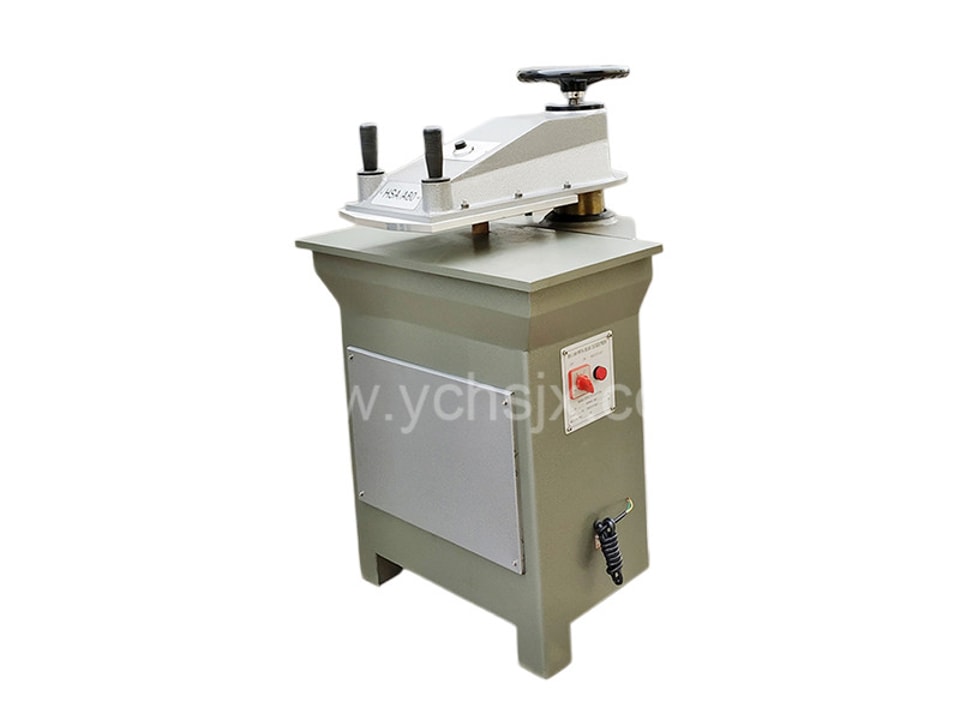
What Are the Advantages of a Hydraulic Swing Arm Clicker Press?
The hydraulic swing-arm cutting machine is a piece of equipment that utilizes a hydraulic system for power and a swing-arm structure to drive a cutting die for material punching and cutting operations. Compared to traditional manual cutting methods, this equipment offers stable pressure, flexible operation, high cutting precision, and a wide range of applications; it is widely used in industries such as footwear materials, leather goods, luggage, automotive interiors, packaging, and electronic accessories.As the manufacturing industry increasingly demands higher production efficiency and product quality, the hydraulic swing-arm cutting machine has become a vital tool in the field of flexible material processing, thanks to its stable and reliable performance. I. Hydraulic drive ensures stable cutting pressureThe hydraulic system serves as the core power source for the swing-arm cutting machine, providing consistent and stable cutting pressure.When processing materials of varying thicknesses and hardness levels, this stable pressure output ensures the cutting die fully penetrates the material, thereby minimizing issues such as incomplete cuts or uneven edges.Compared to manual operation, hydraulic drive maintains consistent cutting force for every operation, enhancing product quality—making it particularly suitable for production environments requiring high-volume, repetitive cutting. II. High cutting precision improves product consistencyThe hydraulic swing-arm cutting machine employs a die-cutting method, achieving precise product shaping through the use of custom-made cutting dies.During mass production, the equipment maintains stable cutting dimensions, ensuring high consistency across parts and reducing errors associated with manual cutting.For industries with strict dimensional requirements—such as footwear, leather goods, and automotive interiors—high-precision cutting boosts downstream assembly efficiency and lowers rework rates. III. Flexible operation adapts to diverse processing needsThe swing-arm structural design offers excellent operational flexibility. Operators can adjust the swing-arm angle based on material positioning, facilitating easy loading, alignment, and cutting.Additionally, the equipment can process products of various shapes by simply changing the cutting dies, thereby meeting the demands of multi-variety production.This flexibility makes it suitable not only for mass production but also for scenarios involving a wide range of product types. IV. Wide range of applicable materialsThe hydraulic swing-arm cutting machine demonstrates strong material adaptability, capable of processing a wide variety of flexible and semi-flexible materials. Common materials include leather, synthetic leather, EVA, rubber, foam, sponge, non-woven fabrics, textiles, plastic sheets, and composite materials.By adjusting cutting pressure and selecting appropriate cutting dies, the equipment meets the processing needs of various industries and maximizes equipment utilization. V. Increased production efficiency and reduced labor costsThe hydraulic swing-arm cutting machine employs a mechanized cutting method, enabling the rapid completion of repetitive processing tasks.Compared to manual cutting, the machine completes the cut in a single stroke, significantly reducing processing time per unit and increasing output per unit of time.Furthermore, mechanized production reduces reliance on manual skill levels, stabilizes the production process, and helps lower labor costs. VI. Reduced material waste and improved utilization ratesIn industries where material costs are high, maximizing raw material utilization is crucial.Through precise positioning and the use of standardized cutting dies, the hydraulic swing-arm cutting machine minimizes cutting errors and wasteful losses.Particularly in sectors such as leather processing and packaging, efficient layout and precise cutting effectively reduce material waste and enhance economic efficiency. VII. Stable structure and easy maintenanceThe hydraulic swing-arm cutting machine features a mature, stable structural design suitable for long-term, continuous production.Maintenance involves routine checks of the hydraulic system, lubrication of mechanical parts, and cleaning of the work area, making daily upkeep simple.Stable performance minimizes downtime and ensures production continuity. VIII. High safety standardsHydraulic swing-arm cutting machines are typically equipped with safety features—such as two-hand controls and safety limiters—to enhance operational safety.Compared to manual cutting with hand tools, mechanized processing reduces direct contact with sharp implements, thereby lowering operational risks. IX. Space-saving designThe swing-arm cutting machine features a compact structure with a small footprint, making it suitable for production workshops of various sizes.In space-constrained environments, the machine delivers efficient processing while integrating easily with other equipment, thereby optimizing the overall production layout. ConclusionThe hydraulic swing-arm cutting machine offers numerous advantages, including stable pressure, precise cutting, flexible operation, broad applicability, and high production efficiency. Powered reliably by a hydraulic system and utilizing a die-cutting method, this equipment meets the needs of various industries for processing flexible materials. In modern manufacturing, the hydraulic swing-arm cutting machine not only enhances product quality but also reduces production costs, making it a key choice for improving processing efficiency.
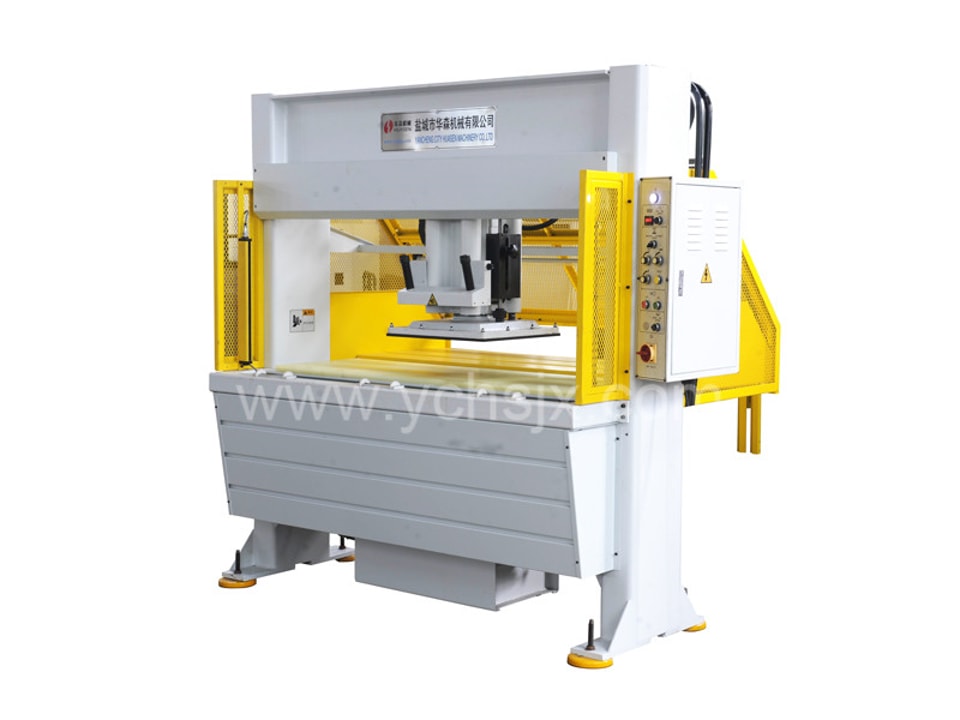
How Does a Traveling Head Die Cutting Machine Work?
A traveling head die-cutting machine is a high-efficiency cutting device featuring a movable cutting head structure. It utilizes a hydraulic system or mechanical drive to move the cutting head across the work area, working in conjunction with a specialized die to perform precise material cutting.Compared to traditional stationary cutting equipment, traveling head die-cutting machines offer a larger operating range, higher material utilization, and greater processing flexibility. They are widely used in industries such as footwear, leather goods, packaging, automotive interiors, electronic accessories, foam processing, and composite materials. I. Power System Provides Cutting PressureThe primary operating power for the traveling head die-cutting machine comes from its hydraulic system.Upon startup, the hydraulic system generates pressure and transmits it to the cutting head, driving the head and the attached die downward to apply pressure to the material placed on the worktable.Once the pressure reaches the preset level, the die cuts into the material, completing the cutting cycle.The hydraulic system delivers stable pressure output, enabling the machine to handle materials of varying thicknesses and hardness levels. II. Movable Cutting Head Enables Flexible ProcessingThe defining feature of the traveling head die-cutting machine is the ability of the cutting head to move within the work area.During processing, the operator can adjust the position of the cutting head based on the material's placement, ensuring the die aligns precisely with the area to be cut.This design expands the machine's effective working range, making it particularly suitable for large-format materials or production scenarios requiring frequent adjustments to cutting locations.Compared to stationary cutting equipment, the movable structure reduces the need for material handling and enhances processing efficiency. III. Precision Cutting via DiesTraveling head die-cutting machines typically utilize specialized dies for processing.Dies are custom-fabricated to meet specific product shape and size requirements and are then mounted onto the cutting head.During operation, the cutting head moves to the designated location and descends; the applied pressure forces the die through the material, creating the desired product shape.This die-based processing method ensures consistent cutting dimensions and improves product quality stability. IV. Material Positioning and the Cutting ProcessThe workflow of a traveling head die-cutting machine typically involves several steps: material placement, position adjustment, cutting head movement, pressure cutting, and automatic return. First, lay the material to be processed flat on the worktable and position it according to the product layout requirements.Next, the cutting head moves to the designated area and descends to perform the cutting operation.Once the cut is complete, the cutting head returns or moves to the next processing position to continue the cycle.Through this continuous operating cycle, the equipment meets the demands of mass production. V. Pressure Control Affects Cutting ResultsDifferent materials require different cutting pressures.For instance, leather requires clean, smooth edges; foam requires pressure that avoids compression deformation; and rubber materials require sufficient pressure to ensure a clean cut.The moving-head cutting machine allows for the adjustment of pressure parameters based on material characteristics, ensuring optimal processing results.Proper pressure control not only improves cutting quality but also reduces die wear and material waste. VI. High-Precision Guidance Ensures Operational StabilityDuring operation, the moving-head cutting machine must ensure the cutting head moves to precise locations.The equipment utilizes a precision guidance structure to keep the cutting head stable during movement, minimizing deviation and error.Stable movement ensures accurate die positioning and enhances processing precision.Precise positioning is particularly critical for products with strict dimensional requirements, such as electronic accessories and precision packaging materials. VII. Suitable for Processing a Wide Range of MaterialsThe moving-head cutting machine demonstrates strong material versatility.Commonly processed materials include leather, EVA, rubber, foam, non-woven fabrics, textiles, plastic sheets, packaging materials, and multi-layer composites.By changing dies and adjusting equipment parameters, the machine can meet production needs across various industries and maximize operational efficiency. VIII. Improved Production Efficiency and Material UtilizationThe moving-head cutting structure reduces the need for frequent material repositioning, thereby enhancing processing continuity.When processing large sheets of material, the machine moves the cutting head according to the layout, allowing for more efficient material usage.Precise cutting minimizes scrap, improves raw material utilization, and lowers production costs. IX. Safety Controls Ensure Reliable OperationModern moving-head cutting machines are typically equipped with safety features such as safety sensors and emergency stop buttons.These designs mitigate operational risks and enhance the safety of the machine's operation.Additionally, standardized operation and regular maintenance of the hydraulic system, moving mechanisms, and control systems are essential measures for ensuring stable equipment performance. SummaryThe working principle of the moving-head cutting machine involves using a power system to generate pressure and a movable cutting head for precise positioning, combined with specialized cutting dies to perform the material cutting process.Its key advantages include a large cutting area, flexible positioning, high processing efficiency, and strong material adaptability.With its stable performance and efficient processing capabilities, the moving-head cutting machine meets the demands for precision and efficiency across various industries—such as footwear materials, leather, packaging, automotive interiors, and electronic accessories—making it a vital piece of equipment in modern material processing.
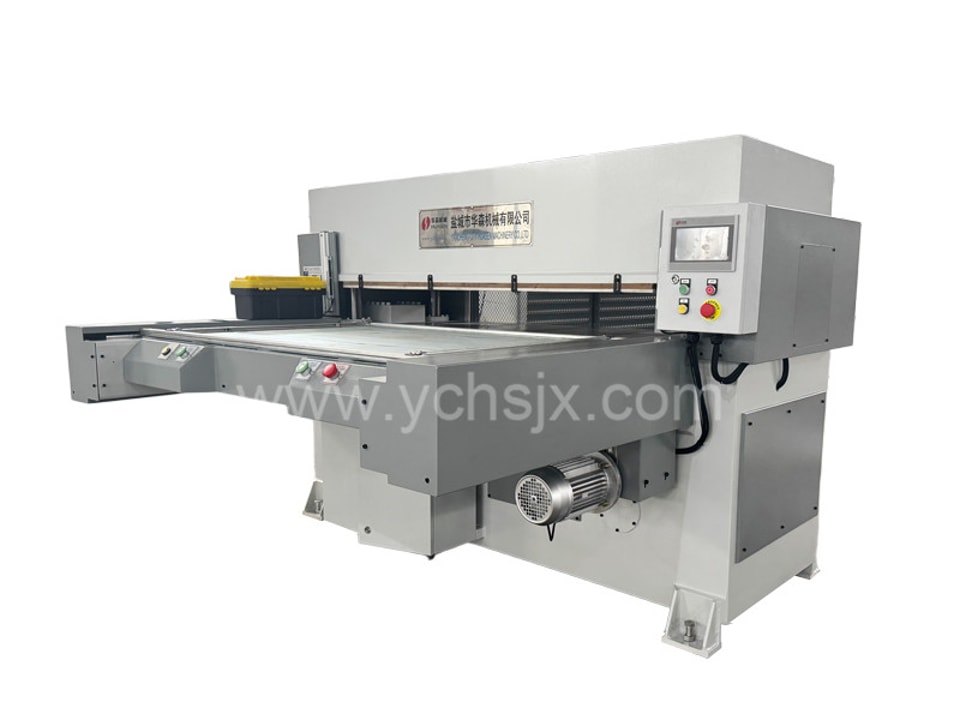
What Are the Advantages of a Precision Four-Column Die Cutting Machine?
The precision four-column cutting machine is equipment designed specifically for high-precision material cutting. It utilizes a four-column guide structure and a hydraulic drive system to achieve stable, efficient processing through the precise control of cutting pressure and positioning.Compared to standard cutting equipment, the precision four-column cutting machine offers significant advantages in structural stability, processing precision, production efficiency, and versatility. It is widely used across industries such as footwear materials, automotive interiors, electronic accessories, packaging, leather goods, and composite materials. I. High-precision structure for enhanced cutting accuracyThe machine features a high-rigidity four-column structure, ensuring the upper platen maintains stable vertical movement during operation.During the cutting process, the equipment minimizes errors caused by misalignment or tilting, ensuring precise contact between the cutting die and the material.For components with strict dimensional requirements, this high-precision structure guarantees consistent product specifications and improves the product pass rate. II. Stable pressure control for superior processing qualityCutting pressure directly impacts the quality of the processed material. Insufficient pressure may result in incomplete cuts, while excessive pressure can damage the material.The machine delivers stable pressure via its hydraulic system and allows for adjustments based on specific material characteristics, ensuring greater cutting precision.Stable pressure output ensures smooth cut edges, minimizes burrs and deformation, and enhances overall processing quality. III. Four-column guide design for smoother operationThe four-column structure is a key feature of this precision cutting machine. Positioning via four precision guide columns effectively reduces vibration during operation.The equipment maintains stable performance even under high-pressure conditions or when cutting large surface areas.This structure not only improves cutting precision but also reduces mechanical errors that can accumulate during long-term operation. IV. Increased production efficiency, suitable for batch processingThe machine employs a mechanized cutting method, completing the cut in a single operation.Compared to manual cutting, this equipment significantly reduces processing time and boosts production efficiency.By simply changing cutting dies, the machine can quickly switch between product types, meeting the demands of high-volume production involving diverse product varieties. V. Reduced material waste and improved material utilizationMaterial cost is a critical factor for manufacturing enterprises. Precision four-column cutting machines minimize cutting errors and material waste through precise positioning and standardized die processing.Improving material utilization effectively lowers production costs, particularly in sectors dealing with high-value materials such as leather, packaging materials, and composites. VI. Wide Range of Applicable MaterialsPrecision four-column cutting machines offer excellent material versatility, capable of processing a wide variety of flexible and composite materials.Commonly processed materials include leather, EVA, rubber, foam, non-woven fabrics, plastic sheets, textiles, and multi-layer composites.Processing requirements across different industries can be met by adjusting equipment parameters and selecting appropriate cutting dies. VII. High Product Consistency and Reduced Rework RatesIn traditional manual processing, dimensional deviations often occur due to variations in operator experience.Precision four-column cutting machines utilize a die-based production method, ensuring consistency in every cutting cycle and effectively minimizing human error.Stable processing results reduce defect rates and enhance overall production line efficiency. VIII. User-Friendly Operation and Simplified Production ManagementPrecision four-column cutting machines feature clear operational workflows, allowing operators to master the equipment after training.Parameters can be adjusted according to specific material and product requirements, standardizing the production process.Simple operation facilitates efficient production management and minimizes inconsistencies caused by operator differences. IX. Stable and Durable Equipment Suitable for Long-Term ProductionIndustrial production often requires continuous equipment operation, making stability a critical factor.Precision four-column cutting machines feature a high-strength structural design capable of withstanding long-term, continuous operation.Regular maintenance of the hydraulic system, inspection of mechanical components, and equipment cleaning ensure sustained, optimal performance. X. Meets Automation RequirementsAs the manufacturing industry moves toward automation, precision four-column cutting machines can integrate with systems such as automatic feeding and intelligent controls to enhance automation levels.Automated applications reduce manual labor, boost production efficiency, and ensure greater stability throughout the processing cycle. ConclusionPrecision four-column cutting machines offer advantages such as high precision, stability, efficiency, and broad applicability.Through their four-column guide structure, hydraulic pressure control, and die-based processing method, these machines effectively meet the modern manufacturing industry's demands for precision cutting and mass production. Whether in the fields of footwear materials, automotive interiors, electronic components, packaging, leather processing, or composite materials, precision four-column cutting machines help enterprises boost production efficiency, reduce material waste, and enhance product quality, making them a key choice for industrial cutting operations.
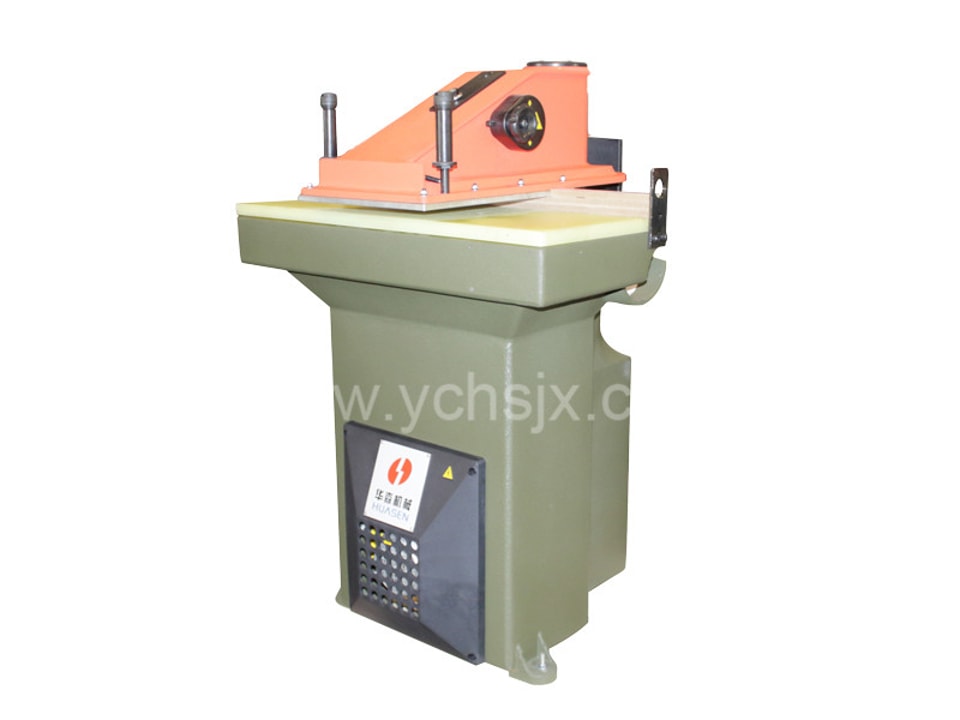
What Industries Use Swing Arm Clicker Presses?
The swing-arm cutting machine is a piece of equipment designed for the die-cutting of flexible materials; it is characterized by cutting precision, operational flexibility, and a wide range of applications. By simply changing the cutting die, it can rapidly cut materials into various shapes, making it widely used across numerous manufacturing sectors. I. Footwear IndustryThe footwear industry is a key application area for swing-arm cutting machines. The equipment is used to cut materials such as leather, synthetic leather, EVA, rubber, foam, and insole materials to produce components like shoe uppers, soles, and tongues.Die-based cutting ensures consistent product dimensions, boosts production efficiency, and minimizes material waste. II. Leather Goods and Luggage IndustryThe manufacturing of leather goods and luggage involves processing large quantities of materials such as leather, artificial leather, and fabrics.Swing-arm cutting machines enable precise cutting based on product design, making them ideal for producing components like wallets, handbags, belts, and luggage accessories, while enhancing processing speed and product consistency. III. Automotive Interior IndustryComponents such as car seats, door panels, and sound insulation materials are typically made from leather, foam, non-woven fabrics, and composite materials.Swing-arm cutting machines rapidly cut interior materials with high dimensional accuracy, improving assembly efficiency and meeting the demands of mass production for automotive parts. IV. Packaging IndustryThe packaging industry frequently utilizes materials like foam, EPE (expanded polyethylene), and cardboard to create protective cushioning structures.Using specialized dies, swing-arm cutting machines can quickly process packaging inserts of various shapes, increasing production efficiency and reducing errors associated with manual cutting. V. Electronic Accessories IndustryElectronic product manufacturing requires significant quantities of insulating materials, protective films, foam adhesives, and conductive materials.The equipment offers high cutting precision, meeting the requirements for processing small, intricate parts and enhancing the production efficiency of electronic accessories. VI. Sporting Goods IndustryThe manufacture of sporting goods often involves processing materials such as rubber, foam, and fabrics.Swing-arm cutting machines are used to cut products such as sports protective gear, yoga mats, and safety equipment, ensuring uniform dimensions and consistent production quality. VII. Textile and Garment IndustryThe swing-arm cutting machine is suitable for processing materials such as fabrics, non-wovens, felt, and composite fabrics.In the production of garment accessories, decorative cutouts, and specially shaped fabric pieces, the equipment boosts cutting speeds and meets the demands of mass production. VIII. Industrial Components IndustryCertain industrial products require the processing of components such as rubber pads, shock-absorbing materials, seals, and insulation materials.The swing-arm cutting machine delivers precise cutting and enhances part consistency, meeting industrial standards for quality and efficiency.ConclusionThanks to advantages such as precise cutting, operational flexibility, and broad material compatibility, swing-arm cutting machines are widely used in sectors including footwear materials, leather goods, luggage, automotive interiors, packaging, electronics, sporting goods, and industrial manufacturing.By utilizing die-based processing, the equipment increases production efficiency and minimizes material waste, providing a highly efficient and stable cutting solution for a wide range of materials.
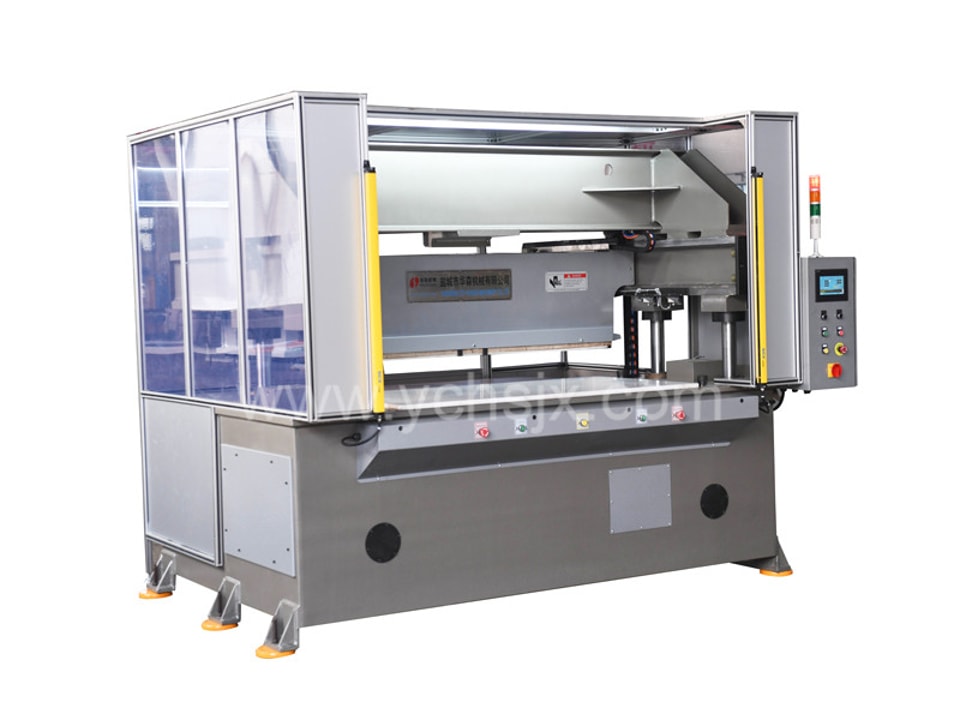
How to Operate a Receding Head Beam Press Safely?
The Receding Head Beam Press is an industrial machine used for die-cutting flexible materials. It utilizes a hydraulic system to generate the pressure required for the moving head to drive the cutting die through the material. Given the high pressures involved during operation, adherence to proper operating procedures and safety protocols is essential.Correct operation not only ensures personnel safety but also minimizes equipment malfunctions, enhances processing efficiency, and extends the machine's service life. I. Pre-operation Equipment InspectionBefore starting the receding head beam press, conduct a comprehensive inspection of the machine.First, verify that the power connection is secure and that all control buttons, switches, and safety devices are functioning correctly.Second, check the hydraulic system for oil leaks and ensure the hydraulic fluid level meets specifications. Simultaneously, verify that components such as the moving head, guide rails, and worktable operate smoothly.Keep the area surrounding the machine tidy to prevent material scraps or other debris from compromising operational safety. II. Verifying Correct Die InstallationThe cutting die is the critical component that makes direct contact with the material; its installation status directly impacts the quality of the cut.Before operation, confirm that the die specifications meet production requirements and inspect the cutting edge for damage, deformation, or wear.Ensure the die is securely fastened during installation to prevent loosening or shifting during the cutting process.Improper die installation can lead to cutting inaccuracies or even equipment malfunctions. III. Correct Placement of MaterialsBefore cutting, place the material flat on the worktable.Ensure the material lies flat and is free from wrinkles, tilting, or misalignment, as these issues can compromise cutting precision.For large materials, adjust the placement according to the die's position to maximize the use of the machine's working area.Correct material positioning improves processing quality and reduces material waste. IV. Starting the Equipment According to ProtocolOperate the receding head beam press in accordance with established startup procedures.After starting the machine, verify that the moving head is moving in the correct direction before proceeding with actual cutting.Operators must remain attentive and avoid touching moving parts while the machine is in operation.If any abnormal noises, pressure fluctuations, or operational instability occur, stop the machine immediately for inspection. V. Avoid Placing Hands in the Danger ZoneDuring the operation of the retracting-head cutting machine, significant pressure is generated in the cutting die area; therefore, operators must maintain a safe distance.Do not place hands or other objects beneath the cutting die while the machine is descending to cut.Ensure the machine is stopped before placing materials, adjusting positions, or changing cutting dies.Adhering to safe operating procedures effectively reduces the risk of accidents. VI. Properly Adjust Cutting ParametersDifferent materials vary in thickness and hardness, requiring the selection of appropriate cutting pressure and operating parameters.Insufficient pressure may result in incomplete cuts, compromising product quality, while excessive pressure can damage the material and increase the load on the machine.Operators should adjust settings based on material characteristics and avoid prolonged operation under excessive loads. VII. Keep the Machine's Operating Area CleanPromptly clear away debris, such as material offcuts and dust, generated during production.Debris entering moving parts can impair the movement of the cutting head and even cause equipment failure.Maintaining a clean work area enhances operational stability and improves the production environment. VIII. Perform Regular Equipment MaintenanceSafe operation encompasses not only the correct use of the machine but also routine maintenance.Regularly inspect the hydraulic system, guide rails, fasteners, and electrical control components.Promptly replenish lubricant, remove internal impurities, and replace worn parts to keep the machine in good condition.Good maintenance habits reduce downtime caused by breakdowns and enhance production safety. IX. Operators Must Be TrainedThe retracting-head cutting machine should be operated by trained personnel.Operators must understand the machine's structure, workflow, safety precautions, and emergency procedures.Operation by untrained personnel may lead to errors due to a lack of familiarity with the machine's capabilities, compromising both personnel safety and machine operation. X. Stop and Inspect Immediately Upon Detecting AbnormalitiesIf any abnormalities occur during operation—such as irregular pressure, jerky cutting head movement, unusual noises, or oil leaks—stop the machine immediately.Do not attempt forced adjustments or repairs while the machine is running.Once a problem is detected, it should be inspected and resolved by qualified personnel; resume production only after confirming the machine has returned to normal operation. SummaryThe safe operation of a retracting-head cutting machine requires management across several areas, including equipment inspection, die installation, material positioning, parameter adjustment, adherence to operating procedures, and routine maintenance.Proper use of the equipment not only ensures operator safety but also enhances cutting precision and production efficiency.By establishing standardized operating procedures and maintenance protocols, the retracting-head cutting machine can maintain stable, long-term operation, providing the enterprise with an efficient and safe solution for material cutting.
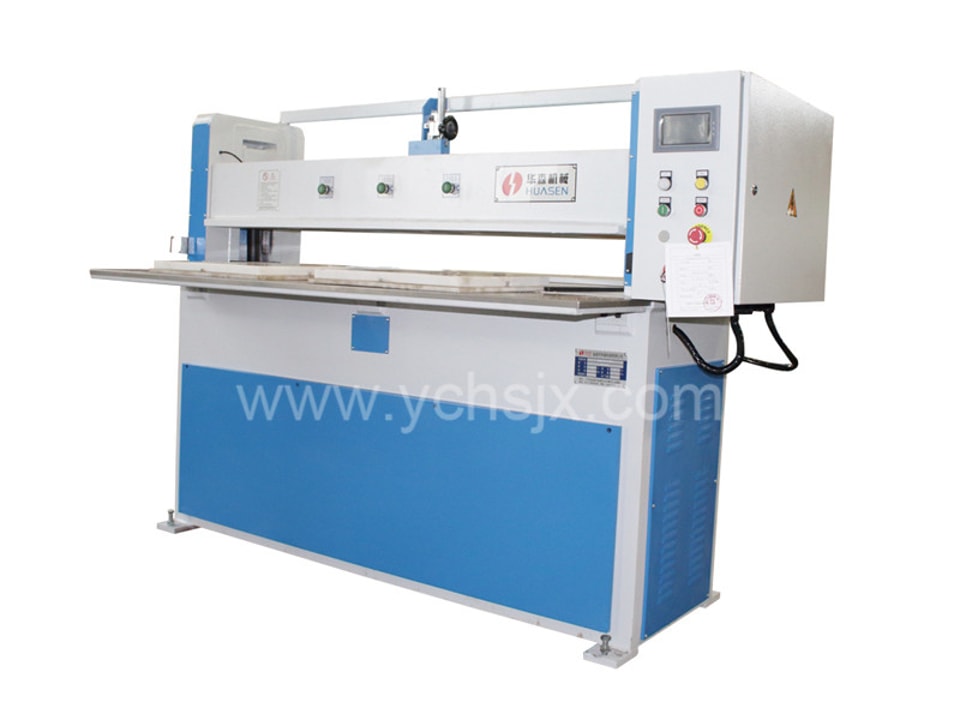
How Does Hydraulic Pressure Affect Cutting Performance?
Hydraulic pressure is a critical factor influencing the processing performance of hydraulic flatbed die-cutting machines. The equipment generates pressure via a hydraulic system and transmits power to the cutting mechanism, enabling the die to punch through and cut the material. The magnitude, stability, and control precision of the pressure directly affect cutting speed, cut quality, material compatibility, and the equipment's service life.When processing different materials, the hydraulic pressure must be adjusted according to characteristics such as thickness, hardness, and elasticity to achieve efficient and precise cutting results. I. Hydraulic Pressure Determines Cutting CapabilityDuring the cutting process, the die must overcome the material's inherent resistance to complete the cut.When hydraulic pressure is sufficient, the die can rapidly penetrate the material, ensuring a clean cut. Materials that are thicker or harder—such as rubber, composites, or thick leather—require higher pressure to ensure a complete cut.Insufficient pressure can lead to issues such as incomplete cuts, connected edges, or jagged cuts, thereby compromising product quality and production efficiency. II. Stable Pressure Enhances Cutting PrecisionBeyond the magnitude of the pressure, stability is equally important for cutting performance.In continuous production, fluctuations in hydraulic pressure result in inconsistent cutting force, leading to dimensional deviations in the finished products.Stable hydraulic output ensures consistent descent speed and pressure for the die with every stroke, resulting in greater product uniformity.For the production of precision components—such as footwear materials, electronic accessories, and automotive interiors—stable pressure helps minimize defects and improve processing quality. III. Optimal Pressure Minimizes Material DamageHigher hydraulic pressure is not always better.Excessive pressure can cause material deformation; for materials like foam, sponge, or soft leather, too much pressure may compromise the product's appearance and performance.Properly controlling the pressure allows for a complete cut while minimizing material deformation and damage.Therefore, in actual production, appropriate pressure parameters must be selected based on the specific characteristics of the material. IV. Pressure Affects Cutting SpeedHydraulic pressure also impacts the equipment's processing efficiency.When the pressure meets the material's cutting requirements, the equipment can rapidly execute the punching action, thereby increasing production speed.If pressure is insufficient, the equipment may require repeated cutting attempts, extending processing time and reducing production efficiency. Optimizing hydraulic parameters can reduce the time required for each cutting cycle and increase the equipment's overall production capacity. V. Different Materials Require Different PressuresDifferent materials possess distinct processing characteristics, necessitating the use of appropriate hydraulic pressure levels.For instance, materials such as thin fabrics and non-woven fabrics generally do not require high pressure, whereas rubber, thick foam, and multi-layer composite materials require greater pressure support.Adjusting hydraulic system parameters and using suitable cutting dies allows the equipment to accommodate a wider range of material processing needs. VI. Pressure Uniformity Affects Product QualityBeyond the overall magnitude of the pressure, the uniformity of pressure distribution is also crucial.Uneven pressure distribution can result in incomplete cuts, where some areas of the die cut through the material effectively while others fail to sever it completely.Combining the hydraulic system with a stable mechanical structure ensures that pressure is applied evenly across the cutting area, thereby enhancing overall processing results.Uniform pressure ensures smooth product edges and minimizes burrs and dimensional deviations. VII. Correct Pressure Settings Extend Equipment LifespanProlonged operation at excessive pressure levels increases the load on the hydraulic system, mechanical structure, and cutting dies.Setting hydraulic pressure appropriately not only ensures quality processing results but also reduces equipment wear and tear.Regularly inspecting the hydraulic system and adjusting pressure based on production requirements can extend the equipment's service life and lower maintenance costs. VIII. Pressure Control Enhances Production StabilityModern hydraulic flatbed cutting machines typically feature pressure adjustment capabilities, allowing parameters to be set according to specific product requirements.Maintaining fixed pressure parameters during production minimizes errors caused by manual adjustments and standardizes the processing workflow.Stable pressure control helps ensure production continuity and meets the demands of mass production. ConclusionHydraulic pressure significantly impacts cutting performance, directly influencing cut integrity, product precision, production efficiency, and equipment stability.Appropriate pressure ensures the cutting die severs the material cleanly and improves product consistency, while stable pressure output minimizes processing errors and reduces material waste.In actual production, selecting the correct hydraulic pressure based on material type, thickness, and processing requirements allows the hydraulic flatbed cutting machine to operate at peak performance, delivering efficient, precise, and stable material cutting.
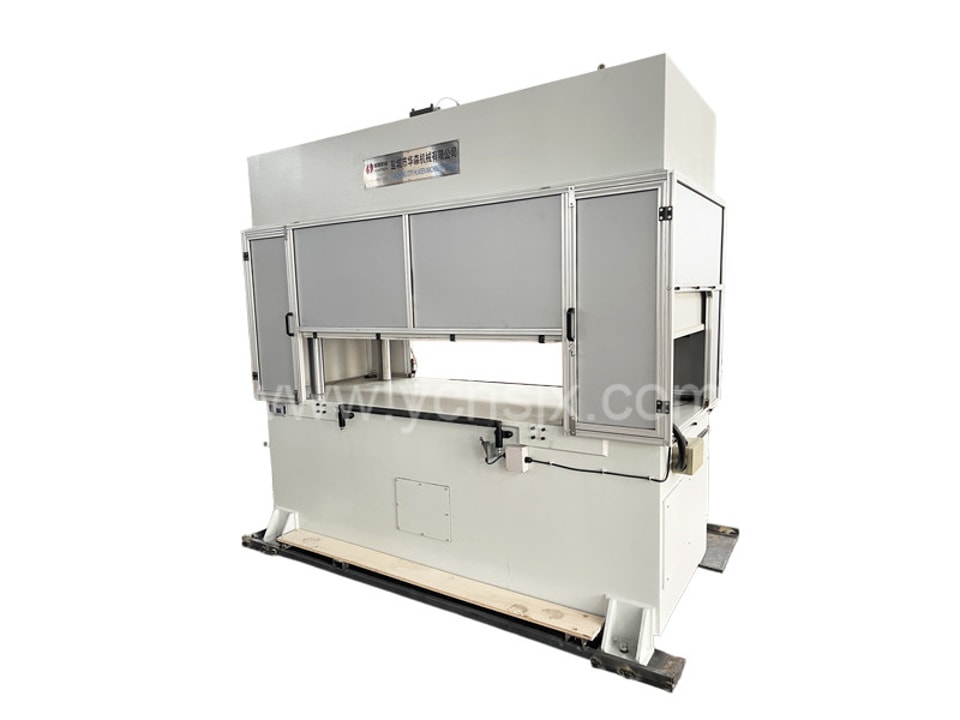
How Does a Four-Column Structure Improve Cutting Stability?
The four-post structure is a key design feature that distinguishes the four-post cutting machine from other cutting equipment. This structure utilizes four precision guide posts to support and guide the upper platen, ensuring stable movement during the cutting process.In industrial production, cutting stability directly impacts dimensional accuracy, processing efficiency, and material utilization. With advantages such as uniform force distribution, precise guidance, and high-rigidity support, the four-post structure effectively enhances overall equipment performance, meeting the demands of various materials and high-precision processing. I. Four-post guidance ensures smooth movementDuring the cutting process, the upper platen undergoes a reciprocating vertical motion. If the guidance system is inadequate, issues such as misalignment or tilting can occur, leading to uneven force on the cutting die and compromising the cutting quality.The four-post structure establishes a stable path of motion via its four guide posts, ensuring the upper platen moves strictly vertically. Even under high pressure, it minimizes positional deviation and enhances the stability of the cutting process. II. Uniform pressure distribution improves cutting resultsThe uniformity of pressure distribution during cutting directly affects the quality of the processed material.Equipment with conventional structures may experience localized pressure concentration, resulting in incomplete cuts or material deformation in certain areas. In contrast, the four-post structure distributes pressure more evenly across the work area, ensuring consistent force application across the entire cutting die.Uniform pressure output ensures a clean, complete cut and improves edge smoothness, making it ideal for high-precision processing requirements. III. Enhanced structural rigidity reduces operational vibrationIndustrial equipment often operates continuously for extended periods; insufficient structural rigidity can lead to vibration and positional drift.The four-post structure employs a multi-point support system, boosting the equipment's overall stability. During high-speed, continuous cutting, it minimizes mechanical oscillation and maintains optimal operating conditions.High structural rigidity not only improves cutting stability but also helps extend the equipment's service life. IV. Improved capability for processing large-area materialsLarge-format materials often require a wide cutting area, placing higher demands on equipment stability.The four-post structure effectively supports large work areas, ensuring that pressure is evenly distributed across the entire cutting zone. When processing large-scale products made of leather, foam, or composite materials, the four-column structure minimizes processing errors caused by uneven force distribution, thereby enhancing overall cutting quality. Ⅴ. Ensuring Precise Die PositioningThe accuracy of the cutting die's position is a critical factor influencing cutting results.The four-column guide structure minimizes deviation during the movement of the upper platen, ensuring the cutting die maintains a stable operating path.Precise positioning capabilities improve dimensional consistency, making the system particularly suitable for high-volume production scenarios requiring repetitive processing. Ⅵ. Adapting to Diverse Material Processing NeedsDifferent materials—varying in hardness, thickness, and elasticity—impose distinct requirements on cutting stability.For instance, leather requires precision cutting, foam necessitates deformation prevention, and rubber demands sufficient pressure to ensure a clean cut. The four-column structure provides stable pressure transmission, allowing the equipment to easily adapt to processing a wide range of materials.By adjusting pressure parameters and swapping cutting dies, the equipment can meet diverse production requirements. Ⅶ. Minimizing Processing Errors and Boosting Production EfficiencyA stable cutting process reduces defect rates and cuts down on the time required for rework and manual finishing.The four-column structure ensures consistency in every cutting stroke, standardizing the production process.For mass-production enterprises, stable processing quality not only enhances efficiency but also lowers overall production costs.8. Enhancing Long-Term Operational ReliabilityIndustrial equipment often operates in demanding environments characterized by long hours and high-intensity workloads. Thanks to its optimized force distribution, the four-column structure prevents individual components from bearing excessive stress.Over the long term, this stable structural design helps maintain equipment precision and mitigates performance degradation caused by structural deformation. ConclusionThe four-column structure utilizes four guide pillars to provide precise guidance and stable support, ensuring superior stability during the cutting machine's operation.Its key advantages include smooth movement, uniform pressure, high structural rigidity, precise positioning, and broad material adaptability. In industrial settings requiring high-efficiency and high-precision cutting, the four-column structure effectively improves processing quality, ensures product consistency, and provides a reliable foundation for stable, long-term production.
What Are the Main Features of a Swing Arm Clicker Press?
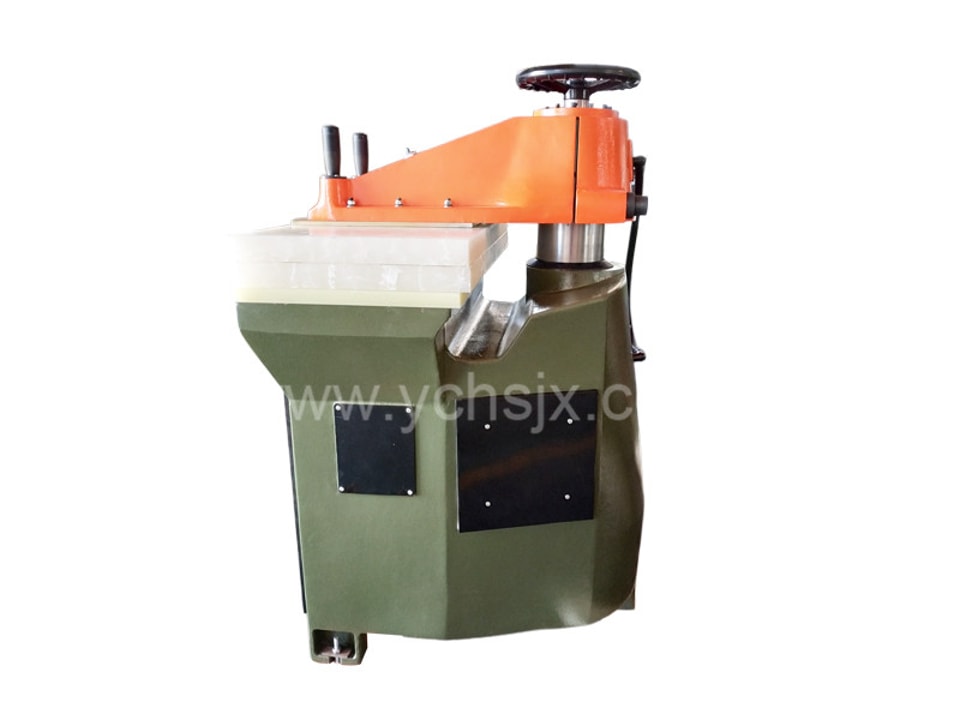
The swing-arm cutting machine is specialized equipment designed for the die-cutting of flexible materials. It utilizes a hydraulic system to drive the movement of a swing arm, enabling a mounted cutting die to precisely cut the material. Thanks to its flexible structure, ease of operation, and broad applicability, it is widely used in industries such as footwear, leather goods, luggage, packaging, automotive interiors, electronic accessories, and sporting goods.Compared to traditional manual cutting methods, the swing-arm cutting machine not only boosts processing efficiency but also enhances product consistency and reduces material waste. Its unique structural design and stable performance make it a vital piece of equipment in the field of flexible material processing. I. Flexible swing-arm structure and ease of operationOne of the defining features of the swing-arm cutting machine is its pivoting swing-arm structure. During operation, the operator can flexibly move the swing arm based on the material's placement, making it easier to adjust the cutting area.Compared to fixed cutting equipment, the swing-arm structure offers greater operational space, facilitating material placement, positioning adjustments, and die changes. The flexible design is particularly advantageous when processing large or complexly shaped materials, as it enhances operational convenience. II. Compact footprint, suitable for diverse production environmentsThe swing-arm cutting machine features a compact overall structure that occupies relatively little space, making it adaptable to production facilities of various sizes.For processing enterprises with limited production space, the machine can be put into operation without requiring a large installation area. Furthermore, the equipment allows for flexible layout planning, enabling efficient arrangement according to production workflows and maximizing workshop space utilization. III. Stable cutting pressure and high processing precisionThe swing-arm cutting machine employs a hydraulic drive system to deliver stable cutting pressure, ensuring the cutting die applies force evenly across the material's surface.This stable pressure output guarantees clean, complete cuts, minimizing issues such as incomplete cutting or uneven edges. Whether processing leather, foam, rubber, or composite materials, the machine allows for pressure parameter adjustments based on specific requirements, achieving highly precise processing results. IV. Wide range of applicable materialsThe swing-arm cutting machine demonstrates excellent material adaptability, capable of processing a wide variety of flexible and semi-flexible materials. Commonly processed materials include natural leather, synthetic leather, EVA, rubber sheets, foam, sponge, fabrics, non-woven fabrics, plastic sheets, and composite materials.Processing is achieved simply by matching the material with the appropriate cutting die and adjusting the corresponding cutting parameters. This broad applicability allows the equipment to meet production needs across various industries. V. Die-based cutting enhances product consistencySwing-arm cutting machines typically employ a die-cutting method, using custom dies to process products into various shapes.Compared to manual cutting, die-cutting ensures uniform product dimensions and minimizes errors caused by human operation. For products requiring mass production—such as footwear components, luggage accessories, and packaging inserts—die-based processing significantly improves production stability.Additionally, standardized cutting reduces the need for adjustments during subsequent assembly stages, thereby boosting overall production efficiency. VI. Rapid die changes and high production flexibilityIn actual production, different products often require cutting dies of varying shapes and sizes. Swing-arm cutting machines are designed for easy die replacement, allowing for quick adaptation to the processing needs of different products.This feature makes the equipment suitable not only for the mass production of a single product but also for processing orders involving multiple specifications and varieties.Enterprises can rapidly switch between products by changing dies, thereby increasing the flexibility of the production line. VII. Stable operation and low maintenance costsSwing-arm cutting machines feature a mature design, consisting primarily of a frame, hydraulic system, worktable, and swing-arm mechanism, ensuring overall operational stability.Routine maintenance—such as inspecting the hydraulic system, lubricating mechanical parts, and cleaning the equipment—is sufficient to maintain optimal working conditions.Stable performance minimizes equipment downtime and enhances production continuity. VIII. High safety standards and reliable operationModern swing-arm cutting machines are typically equipped with safety features—such as two-hand controls and safety limit devices—to reduce the risk of accidental operation.With proper use and standardized maintenance, the equipment provides a safer and more reliable working environment for operators.Furthermore, mechanized cutting reduces the frequency of direct human contact with cutting tools, offering superior safety compared to traditional manual cutting methods. IX. Material Savings and Enhanced Production Cost-EfficiencyPrecision cutting is a key advantage of the swing-arm cutting machine. By optimizing material layout and utilizing high-precision cutting dies, waste—such as offcuts—can be minimized during production.Improving material utilization is particularly effective in reducing production costs within sectors that involve high-cost materials, such as leather processing and packaging. ConclusionThe swing-arm cutting machine is characterized by its flexible structure, ease of operation, stable pressure, high precision, broad applicability, rapid die-changing capabilities, and reliable performance.Thanks to these advantages, the equipment meets the demands of various industries for the efficient, high-quality processing of flexible materials. In modern manufacturing, the swing-arm cutting machine not only boosts cutting efficiency but also helps enterprises lower production costs and improve product quality, making it a highly valuable tool for flexible material processing.
What Are the Benefits of Using a Hydraulic Plane Cutting Machine?
The hydraulic flatbed cutting machine is a piece of equipment that utilizes a hydraulic system to generate power, performing material cutting operations through the interaction of upper and lower platens with a cutting die. Compared to traditional manual cutting methods, this equipment offers advantages such as high cutting efficiency, consistent precision, ease of operation, and broad applicability; it is widely used in industries including footwear materials, leather, packaging, automotive interiors, electronic accessories, textiles, and rubber.As the manufacturing industry increasingly demands higher production efficiency and product quality, the hydraulic flatbed cutting machine has become a vital tool in the processing of flexible materials, thanks to its stable and reliable performance. I. Stable cutting pressure for superior processing resultsHydraulic flatbed cutting machines employ a hydraulic drive system capable of delivering continuous and stable cutting pressure.When processing materials of varying thicknesses and hardness levels, the equipment allows for the adjustment of pressure parameters based on material characteristics, ensuring the cutting die fully penetrates the material for a clean, complete cut.Stable pressure output minimizes issues such as incomplete cuts or ragged edges, thereby enhancing the quality of the finished product. II. Enhanced production efficiency, suitable for batch processingUnlike manual cutting, the hydraulic flatbed cutting machine completes the cutting process in a single stroke, significantly reducing processing time.When paired with specialized cutting dies, the equipment enables the rapid production of large quantities of identical parts, boosting output per unit of time.In high-volume production environments, mechanized cutting reduces the time required for manual labor and improves overall production efficiency. III. High cutting precision ensuring product consistencyHydraulic flatbed cutting machines utilize a die-based processing method, where the cutting path and dimensions are determined by the cutting die for every operation.This approach ensures greater consistency compared to manual operations, which are prone to dimensional deviations.For products with strict dimensional requirements—such as footwear components, automotive interiors, and electronic accessories—precise cutting minimizes the need for rework and increases the product pass rate. IV. Wide range of applicable materialsHydraulic flatbed cutting machines demonstrate excellent versatility regarding materials.The equipment can process a wide variety of materials, including leather, synthetic leather, EVA, rubber, foam, sponge, non-woven fabrics, textiles, plastic sheets, and composite materials.By adjusting cutting pressure and changing cutting dies, the machine can meet the processing needs of diverse industries and products, thereby maximizing equipment utilization. V. Reducing Material Waste and Production CostsMaterial utilization rates directly impact enterprise costs during the production process.Through precise positioning and standardized die-cutting, hydraulic flatbed cutting machines allow for optimized cutting layouts, thereby minimizing scrap generation.Especially in sectors with high material costs—such as leather processing and packaging—improving material utilization effectively lowers production costs and boosts economic returns. VI. Simple Operation and Enhanced Production Management EfficiencyThe operating procedure for hydraulic flatbed cutting machines is straightforward, allowing operators to achieve proficiency after training.Compared to complex processing equipment, these machines are quick to master, reducing operational complexity during production.Standardized operating methods also help minimize the impact of operator variability on product quality, facilitating easier production management. VII. Stable Operation and Easy MaintenanceHydraulic flatbed cutting machines feature a mature structural design capable of sustaining long-term, continuous production.Maintaining optimal performance requires only routine tasks such as checking the hydraulic system, cleaning the equipment, and lubricating moving parts.Stable equipment performance minimizes downtime and enhances production continuity. VIII. Meeting Diverse Production NeedsHydraulic flatbed cutting machines are suitable for both high-volume mass production and multi-variety, small-batch processing.By simply changing cutting dies, the equipment can rapidly switch between product types, offering greater production flexibility.This versatility enables the enterprise to adapt to fluctuating market orders and improves its production responsiveness. IX. Enhanced Production SafetyCompared to manual cutting with hand tools, mechanized processing reduces the risk of direct human contact with sharp implements.Hydraulic flatbed cutting machines are typically equipped with safety protection devices to ensure safe operation.Standardized operating procedures and regular maintenance further mitigate production risks. X. Saving Production SpaceHydraulic flatbed cutting machines feature a compact design with a relatively small footprint.They deliver high-efficiency processing within limited floor space and integrate easily with other production equipment.Strategic production line layout can further maximize workshop space utilization. ConclusionHydraulic flatbed cutting machines offer numerous advantages, including stable cutting performance, increased efficiency, higher precision, material savings, and ease of operation.By combining reliable hydraulic power with die-cutting technology, these machines meet the demands of various industries for high-quality, efficient material processing. For manufacturing enterprises requiring extensive cutting of flexible and sheet materials, the hydraulic flatbed cutting machine is a key equipment choice for enhancing production capacity and optimizing processing workflows.
Why Choose a Four-Column Die Cutting Machine for Industrial Production?
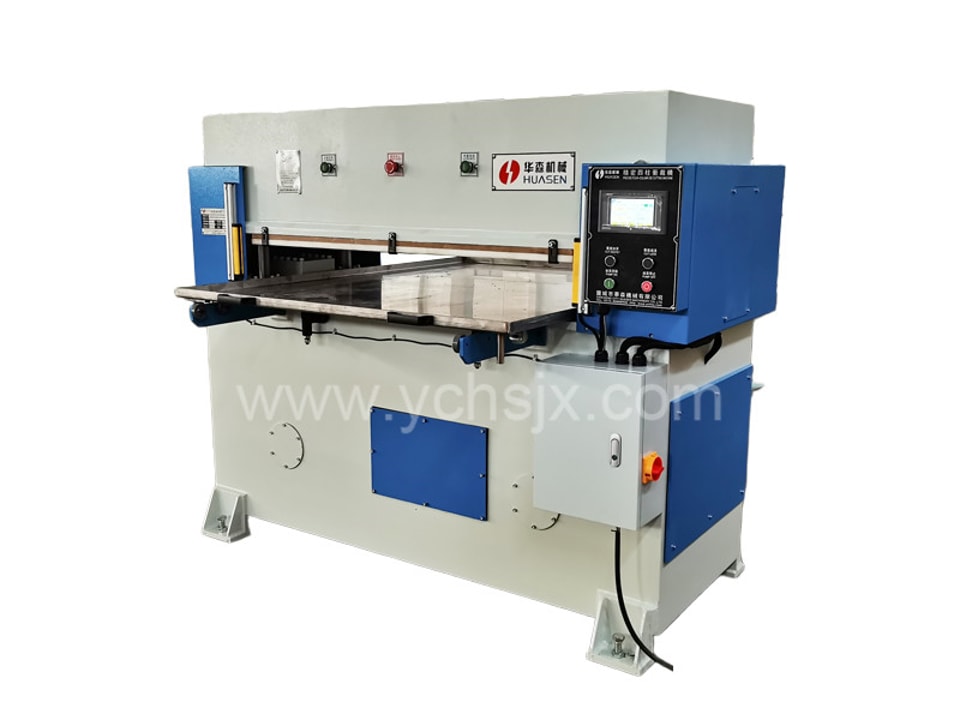
The four-column cutting machine is a precision cutting device widely used in industrial material processing. Powered primarily by a hydraulic system, it utilizes a four-column guide structure to ensure stable operation during the cutting process. As the manufacturing industry increasingly demands higher production efficiency, product precision, and processing stability, the four-column cutting machine has become a vital piece of equipment in many industrial production workflows, thanks to its efficiency, reliability, and versatility. I. Stable Structure Ensures Processing PrecisionThe four-column cutting machine employs a four-column guide structure that keeps the upper platen steady during vertical movement, effectively minimizing deviation and oscillation.Many industrial products—such as automotive interior components, electronic accessories, and sealing materials—require high dimensional precision. A stable mechanical structure ensures accurate cutting positioning for every cycle, enhances product consistency, and reduces rework caused by dimensional errors. II. Hydraulic System Delivers Powerful Cutting CapabilityIndustrial production often involves processing materials of varying thicknesses and hardness levels; manual methods or standard equipment often struggle to meet these demanding processing requirements.Driven by a hydraulic system, the four-column cutting machine delivers consistent, steady pressure, allowing the cutting die to penetrate materials rapidly.Whether processing leather, foam, rubber, composite materials, or multi-layer sheets, the pressure can be adjusted to meet specific production needs, ensuring efficient cutting. III. Boosts Production Efficiency; Ideal for Batch ProcessingIndustrial production frequently requires repetitive processing tasks. Manual cutting is not only inefficient but also susceptible to variations in operator skill levels.By using a die-cutting method, the four-column cutting machine enables rapid, standardized production. Simply changing the cutting die allows for the continuous production of items with identical specifications.This processing method reduces the time required to produce individual units and increases overall output capacity, making it particularly well-suited for high-volume manufacturing. IV. Ensures Consistent Product QualityIn traditional processing methods, dimensional variations between product batches can occur, potentially affecting subsequent assembly and performance.The four-column cutting machine utilizes fixed cutting dies, ensuring that the cutting path and dimensions remain consistent across every cycle, thereby effectively minimizing human error.For the production of industrial components requiring high consistency—such as seals, protective materials, and insulation parts—this equipment enhances the stability of product quality. V. Adaptability to Various Industrial MaterialsFour-column cutting machines possess strong material adaptability, capable of processing a wide range of materials commonly used in industry.Materials such as leather, EVA, rubber, foam, non-woven fabrics, plastic sheets, textiles, and composite materials can all be processed by simply adjusting equipment parameters.This broad applicability allows enterprises to manufacture different products using the same machine, thereby enhancing equipment utilization efficiency. VI. Reduction of Material WasteMaterial costs constitute a significant portion of industrial production expenses; improving material utilization rates can effectively lower production costs.Through precise positioning and die-based processing, four-column cutting machines allow for the optimal planning of cutting layouts, thereby minimizing scrap generation.For high-value materials—such as premium leather or specialized composites—precise cutting helps enterprises reduce waste and improve economic returns. VII. Simple Operation and Convenient Production ManagementModern four-column cutting machines feature user-friendly operation, requiring only basic training to master.Compared to complex processing equipment, the production workflow of a four-column cutting machine is more intuitive, facilitating easier personnel scheduling and production management.Additionally, stable automated operation minimizes inconsistencies caused by manual handling, ensuring a more standardized production process.VIII. Stable Operation and Low Maintenance CostsIndustrial production demands continuous, long-term equipment operation, making stability a crucial factor.Four-column cutting machines feature a mature structural design with highly durable key components. Maintaining optimal operating conditions requires only routine tasks such as checking the hydraulic system, lubricating moving parts, and keeping the machine clean.Low maintenance requirements reduce equipment downtime and enhance production continuity. IX. Suitable for Applications Across Multiple IndustriesFour-column cutting machines are widely used in sectors such as footwear materials, automotive manufacturing, electronics, packaging, leather goods, textiles, and industrial components.Whether for large-scale mass production or the processing of diverse product varieties, the machine offers flexible application through the simple changing of cutting dies and adjustment of parameters. ConclusionThe choice of four-column cutting machines for industrial production is driven by advantages such as structural stability, powerful cutting force, precision, high efficiency, and broad material compatibility.By combining a hydraulic system with a four-column guiding structure, the equipment effectively meets the modern manufacturing industry's demands for high-efficiency, high-quality processing. At the same time, mold-based production methods can reduce material waste and improve product consistency.For manufacturing enterprises that require extensive cutting of flexible materials and industrial sheets, the four-column cutting machine is a crucial piece of equipment for boosting production capacity and optimizing processing workflows.
How Does a Swing Arm Clicker Press Improve Cutting Efficiency?
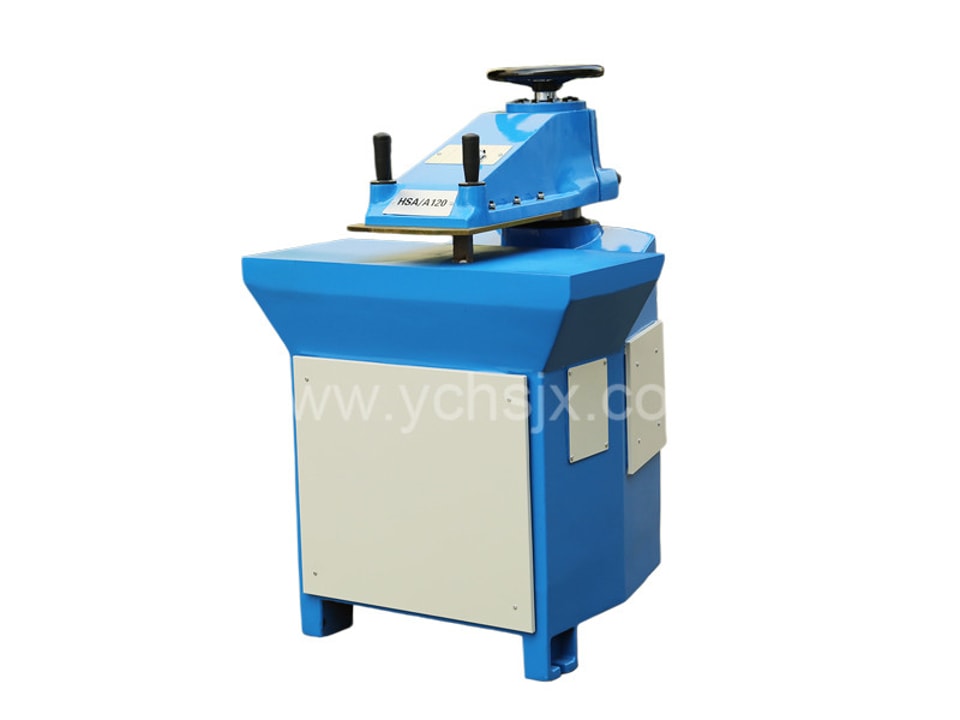
The swing-arm cutting machine is a piece of equipment widely used in the processing of flexible materials. It primarily utilizes a hydraulic system to drive the movement of a swing arm, enabling a cutting die to rapidly punch and cut through the material. Compared to traditional manual cutting methods, the swing-arm cutting machine significantly boosts production efficiency, lowers labor costs, and enhances product consistency while maintaining cutting precision.Industries such as footwear, leather goods, luggage, packaging, automotive interiors, and electronic accessories often require extensive repetitive cutting operations during production. The effective use of swing-arm cutting machines allows for the optimization of production workflows and an increase in overall processing efficiency. I. Rapid batch cutting for increased production speedSwing-arm cutting machines employ a mechanical pressure drive system, allowing material cutting to be completed in a single stroke. Operators simply place the material on the worktable and adjust the cutting position; the machine then rapidly executes the process.Unlike manual cutting with hand tools, this equipment enables continuous, standardized production, thereby reducing the processing time per unit. In scenarios requiring large quantities of identically shaped parts, the swing-arm cutting machine significantly increases output per unit of time.Furthermore, the machine operates stably with high repeatability in its cutting action, making it suitable for long-duration, continuous production requirements. II. Enhanced processing accuracy through die cuttingSwing-arm cutting machines typically operate using specialized cutting dies, executing cuts based on pre-designed die shapes. While manual cutting is prone to dimensional deviations, mechanical punching ensures consistent product dimensions.In industries such as footwear, leather, and foam processing, product components often require precise matching. Dimensional errors in cutting can compromise subsequent stages like stitching, assembly, or further processing.Adopting die-based cutting minimizes human error and improves product pass rates; by reducing the need for rework, it indirectly boosts overall production efficiency. III. Reduced material waste and improved utilization ratesMaterial costs are a critical factor in production, and the efficient use of raw materials can effectively lower manufacturing expenses.Through precise positioning and standardized die designs, swing-arm cutting machines assist operators in planning cutting layouts more efficiently, thereby minimizing the generation of scrap material. Cutting processes can significantly maximize material utilization, particularly when handling high-value materials such as leather and packaging stock. Minimizing material waste not only cuts costs but also boosts overall production efficiency. IV. Simple Operation and Reduced Reliance on Manual LaborThe swing-arm cutting machine features a streamlined design and an easy-to-master operating process. Operators can run the equipment after only brief training.Traditional manual cutting relies heavily on the worker's experience and skill level, often leading to inconsistencies between different operators. In contrast, mechanical equipment operates based on fixed parameters, ensuring a more stable production process.By simplifying operation, enterprises can reduce their dependence on highly skilled cutters and improve the efficiency of production organization. V. Versatility Across Materials and Higher Equipment UtilizationThe swing-arm cutting machine is highly adaptable, capable of processing a wide range of materials including leather, EVA, rubber, foam, fabric, non-woven materials, and plastic sheets.By swapping out cutting dies and adjusting the cutting pressure, the machine can meet the processing requirements of various products.A single machine can be utilized across multiple production stages, increasing usage frequency, minimizing idle time, and ensuring more effective use of production resources. VI. Minimizing Repetitive Tasks and Improving Workflow EfficiencyIn mass production, repetitive cutting tasks can consume a significant amount of labor time. The swing-arm cutting machine mechanizes these repetitive operations, allowing staff to focus on tasks such as material handling, quality inspection, and production management.Furthermore, the machine's stable operating rhythm helps enterprises optimize workflows, facilitating smoother assembly-line operations.For manufacturers handling large order volumes, increasing the processing efficiency of individual machines can effectively shorten production cycles and enhance delivery capabilities. VII. Stable Pressure Control Ensures Processing QualityCutting pressure directly impacts the quality of the finished product. Insufficient pressure may result in incomplete cuts, while excessive pressure can damage the material.The swing-arm cutting machine utilizes a hydraulic system to deliver consistent pressure, ensuring a smooth cutting process. Stable pressure output not only increases the success rate of cuts but also reduces time wasted due to processing errors.High-quality cutting results minimize the need for subsequent trimming, thereby boosting overall production efficiency. 8. Flexible adjustments to meet diverse production needsDifferent products have varying requirements regarding cutting dimensions, shapes, and processing methods. Swing-arm cutting machines allow for the adjustment of operating parameters based on production needs and enable the processing of different products through the simple exchange of cutting dies.This flexibility makes the equipment suitable not only for mass production but also for high-mix, low-volume manufacturing scenarios.Enterprises can produce a variety of products without the need for frequent equipment changes, thereby enhancing the adaptability of their production lines. ConclusionSwing-arm cutting machines effectively boost production efficiency through features such as rapid cutting, die-based processing, compatibility with diverse materials, stable pressure control, and ease of operation.In the modern manufacturing industry, increasing cutting speeds, minimizing material waste, and ensuring product quality are key strategies for enhancing competitiveness. Thanks to their stable and flexible processing capabilities, swing-arm cutting machines have become vital equipment for improving efficiency across many sectors involving the processing of flexible materials.
Contact Us


